

Piaynemo Viewpoint sits in the Fam Islands of central Raja Ampat, roughly two to three hours by speedboat from Waisai. A wooden staircase climbs from the jetty to the lookout in 10–15 minutes, opening onto a lagoon of green-blue karst islets. Most liveaboards, including LASHA, visit between morning and afternoon snorkel or dive sessions.
Wayag gets the magazine covers, but Piaynemo is the karst panorama most Raja Ampat guests actually stand above. It anchors the central and northern liveaboard routes, it is reachable by a proper staircase rather than a rock scramble, and it rewards a modest 10–15 minute effort with one of the most recognisable views in Indonesia. This guide covers the climb, what to bring, the local fee, how the stop fits a charter day, and how it compares with Wayag further north.
What exactly is the Piaynemo Viewpoint?
Piaynemo (sometimes written Pianemo) is a cluster of cone-shaped limestone islets in the Fam Islands, west of Waigeo in the heart of Raja Ampat. The main lookout is a timber viewing deck built on one of the higher karst ridges. From the top, dozens of jungle-capped islets sit scattered across a lagoon that shifts from deep blue channels to pale turquoise shallows — the scene often described as a compact version of Wayag.
A second, shorter climb nearby leads to Telaga Bintang, the “Star Lagoon,” a near-perfect star-shaped pool enclosed by karst walls. Many boats pair the two lookouts in a single visit, since the anchorages sit close together.
How hard is the climb to the top?
Easier than its reputation. The route is a purpose-built wooden staircase that starts directly at the jetty — several hundred steps with handrails and small rest platforms along the way. A fit traveler walks up in 10–15 minutes at a steady pace; with photo stops, or for guests who prefer to take it slowly, allow 20–30 minutes. There is no scrambling, no exposed rock, and no technical section, which is exactly why Piaynemo is the karst viewpoint that suits almost every charter group, from divers to grandparents traveling with the family.
The honest caveat is the climate rather than the terrain. Raja Ampat sits on the equator, and the staircase climbs through still, humid air. By late morning the heat is real, and the final flights feel steeper than they are. Pace yourself, use the rest platforms, and treat the climb as a walk, not a race.
What should you bring up the stairs?
- Water. One bottle per person minimum. The crew will hand these out at the tender.
- A hat and sunscreen. The viewing decks at the top are fully exposed at midday.
- Footwear with grip. The timber steps get slippery after rain — and from dripping swimwear, since most guests climb between water sessions. Sandals with straps or light trainers beat flip-flops or bare feet.
- Camera with a wide lens. The classic frame needs at least 24mm to take in the full sweep of the lagoon. Ask the cruise director before flying a drone; local rules apply at the site.
How does Piaynemo fit into a liveaboard day?
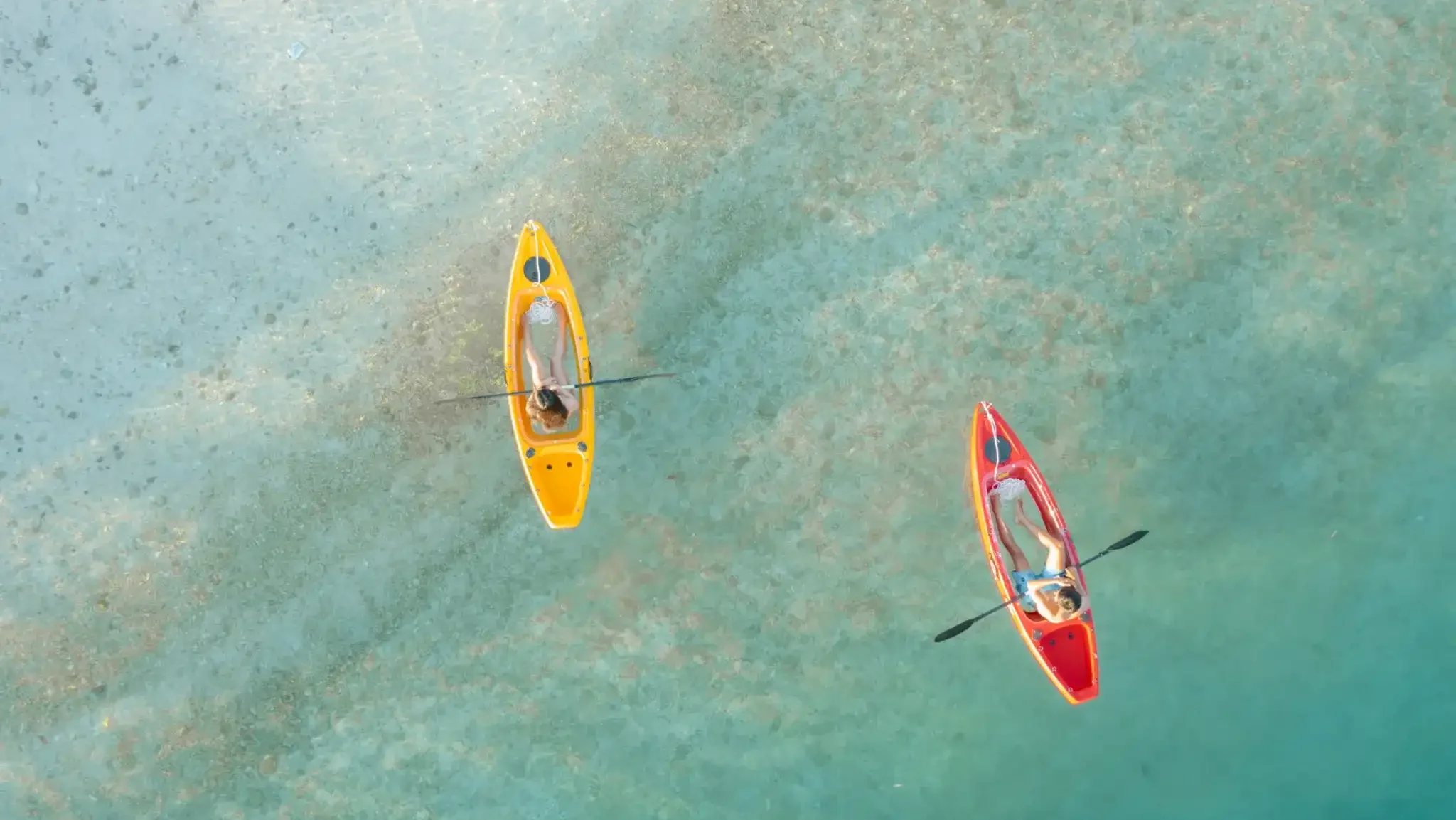
On a typical charter day in the Fam Islands, the viewpoint is slotted between water activities rather than treated as a destination on its own. A common rhythm: a morning dive or snorkel on the reefs around Fam — this area holds some of the healthiest hard-coral gardens in the park — then the Piaynemo climb before lunch or in the softer late-afternoon light, then a second water session or a tender ride through the lagoons. Guests on a Raja Ampat snorkeling itinerary often snorkel straight off the sandbars near the anchorage, while divers on a Raja Ampat diving itinerary log the Fam sites the same day.
There is a small local fee at Piaynemo, collected at the jetty by the community that maintains the boardwalk and viewing decks. On a private charter this is normally arranged by the operator as part of the day’s logistics — guests simply step off the tender and start climbing. Day-trip operators out of Waisai handle it the same way for their groups.
Light matters more than most guests expect. At midday the lagoon reads pale and slightly flat; in early morning or from about 3pm the low sun deepens the blues and models the karst cones. A liveaboard has the luxury of timing the climb for the light — one clear advantage over the day-boat crowd, which tends to arrive in the harsh middle of the day.
Piaynemo or Wayag — what is the difference?
| Piaynemo | Wayag | |
|---|---|---|
| Location | Fam Islands, central Raja Ampat | Far north of Waigeo, near the park’s northern edge |
| Getting there | On the main central/north liveaboard routes; also reachable as a long day trip from Waisai | Liveaboard territory — a dedicated positioning leg north; rarely done as a day trip |
| The ascent | Wooden staircase with handrails, 10–15 minutes | Steep natural rock scramble, roughly 30–45 minutes, hands required |
| Fitness needed | Low — suitable for most mobile guests | Moderate to high — sure-footedness essential |
| Crowds | The most visited viewpoint in Raja Ampat | Often shared with only one or two other boats |
The two are complements, not rivals. Piaynemo delivers the signature karst panorama with minimal effort and fits neatly into any central-route day; Wayag is the wilder, harder-won version that justifies the long run north on a longer itinerary. We cover the northern climb in detail in our guide to visiting the Wayag viewpoint. On charters of seven nights or more, LASHA can build an itinerary that includes both.
How does LASHA visit Piaynemo?
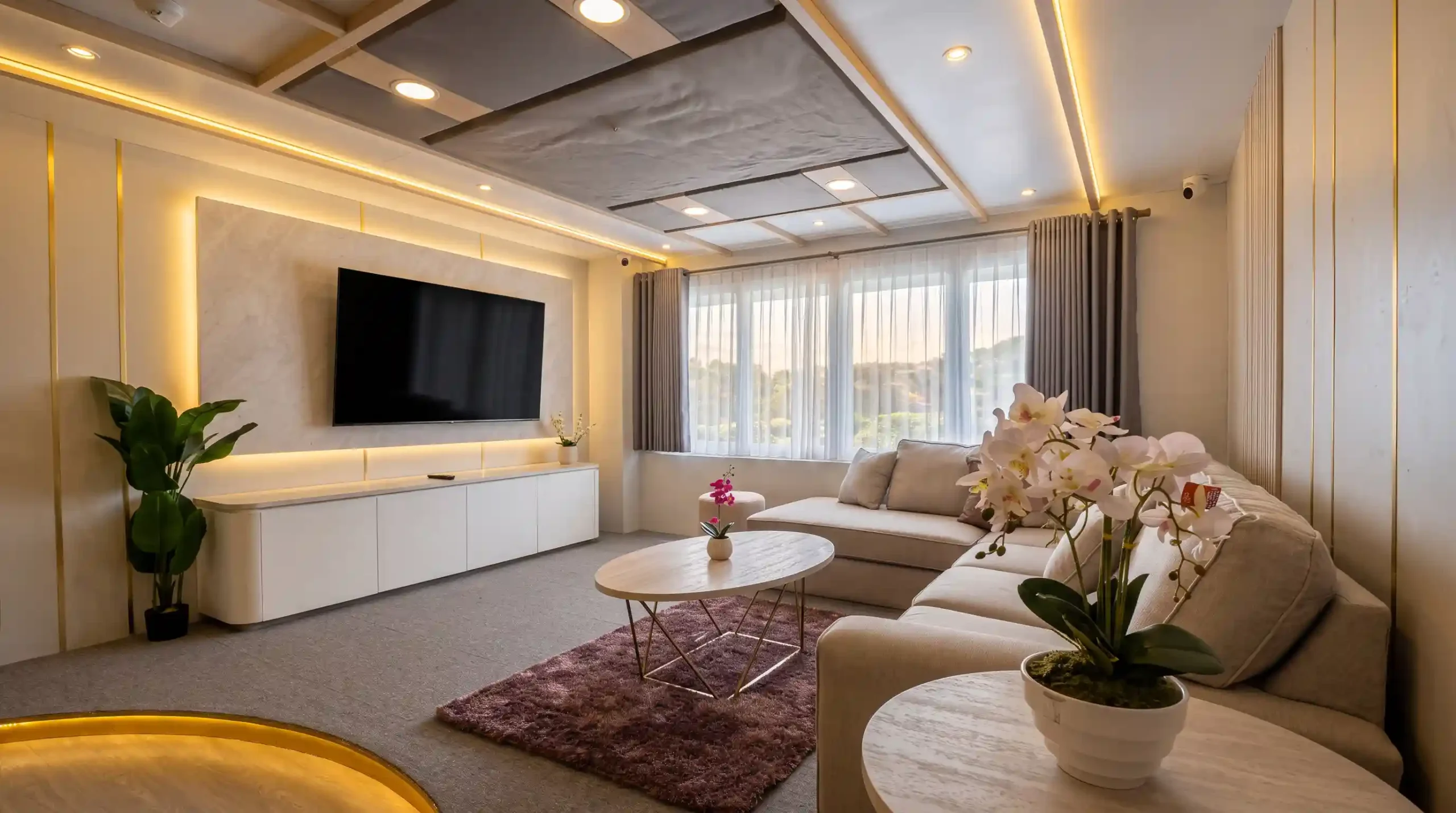
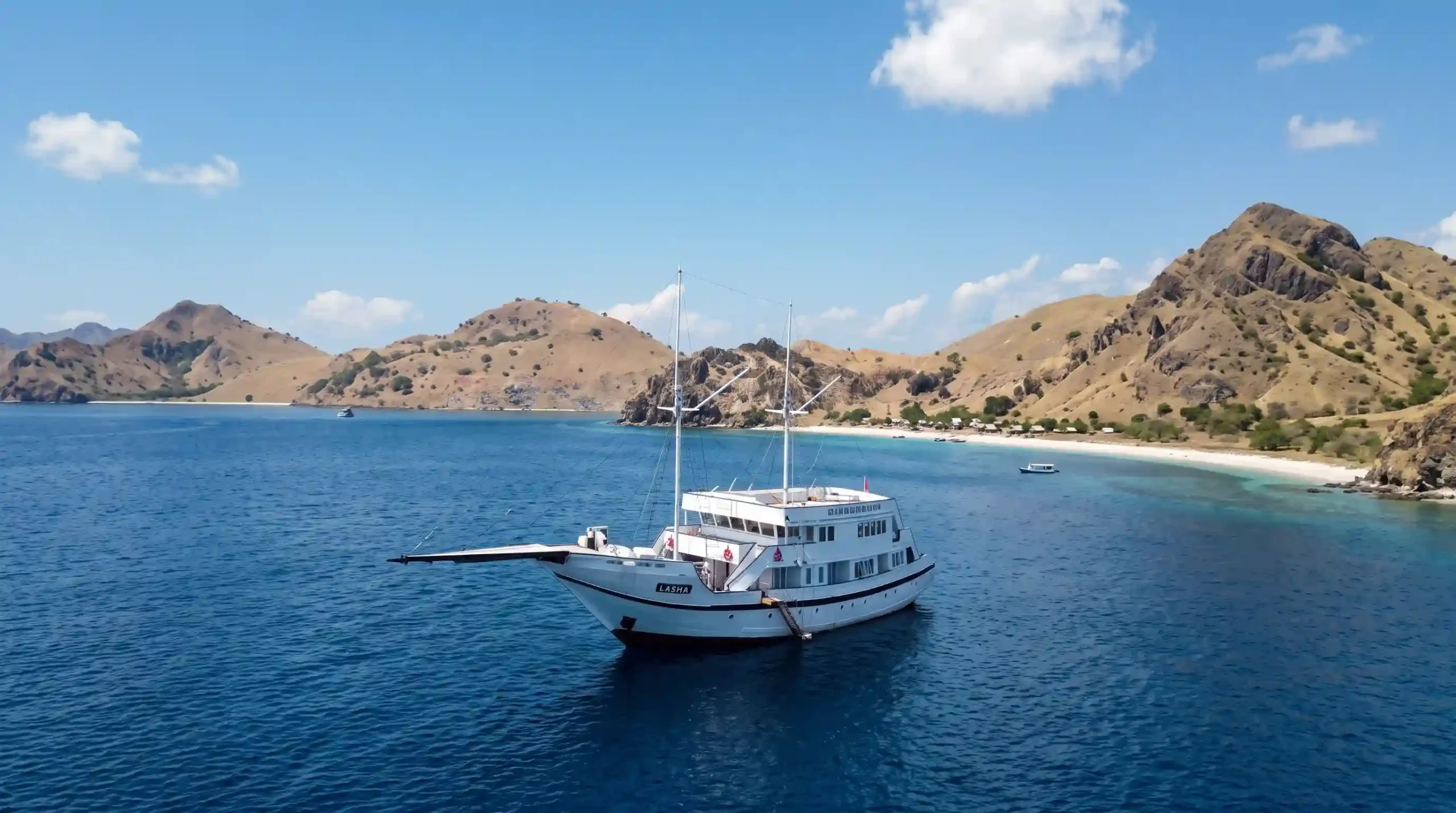
LASHA sails Raja Ampat each season from October to April, departing from Sorong, with a five-night minimum for the region. She is a 52.5-metre, 466 GT phinisi built from ironwood and teak by Buginese shipwrights, with four decks, a dedicated dive deck, a jacuzzi on the sun deck, and ten ensuite cabins — two Master Suites with private jacuzzis and balconies, four balconied Junior Suites, two Grand Deluxe and two Deluxe — for up to 26 guests. Full specifications are on the yacht page and the cabins page.
Because the whole yacht is yours on a private charter, the Fam Islands day runs on your clock: an early climb before the day boats arrive, or a late-afternoon ascent for the best light, with dive and snorkel sessions arranged around it. One honest note on the region generally — LASHA is a traditional wooden phinisi without active fin stabilizers, and her captains plan open-water legs around conditions, which is standard practice for phinisi in Raja Ampat. Sample routings for the region are on the itineraries page.
What does a Raja Ampat charter cost?
Raja Ampat charters are priced per night for the whole boat, with a five-night minimum. Rates scale with group size:
| Group size | Leisure charter | Diving charter |
|---|---|---|
| 1–14 guests | US$11,600 per night | US$12,400 per night |
| Up to 22 guests | Up to US$18,200 per night | Up to US$19,400 per night |
Tiered rates for groups of 15 to 22 sit between those figures — the full table is on the rates page. Marine park entrance fees of US$25 per guest per night apply, and the Raja Ampat environmental PIN is payable separately. Dates for the October–April season are limited, and the yacht sails Komodo the rest of the year, so Raja Ampat weeks book early — check availability via booking.
⚓ This guide is part of the journal of the LASHA Liveaboard — the 52.5-metre luxury phinisi sailing Komodo National Park and Raja Ampat. Official booking only via lashacruise.com · WhatsApp +62 811-3823-875 (Komodo Luxury).