
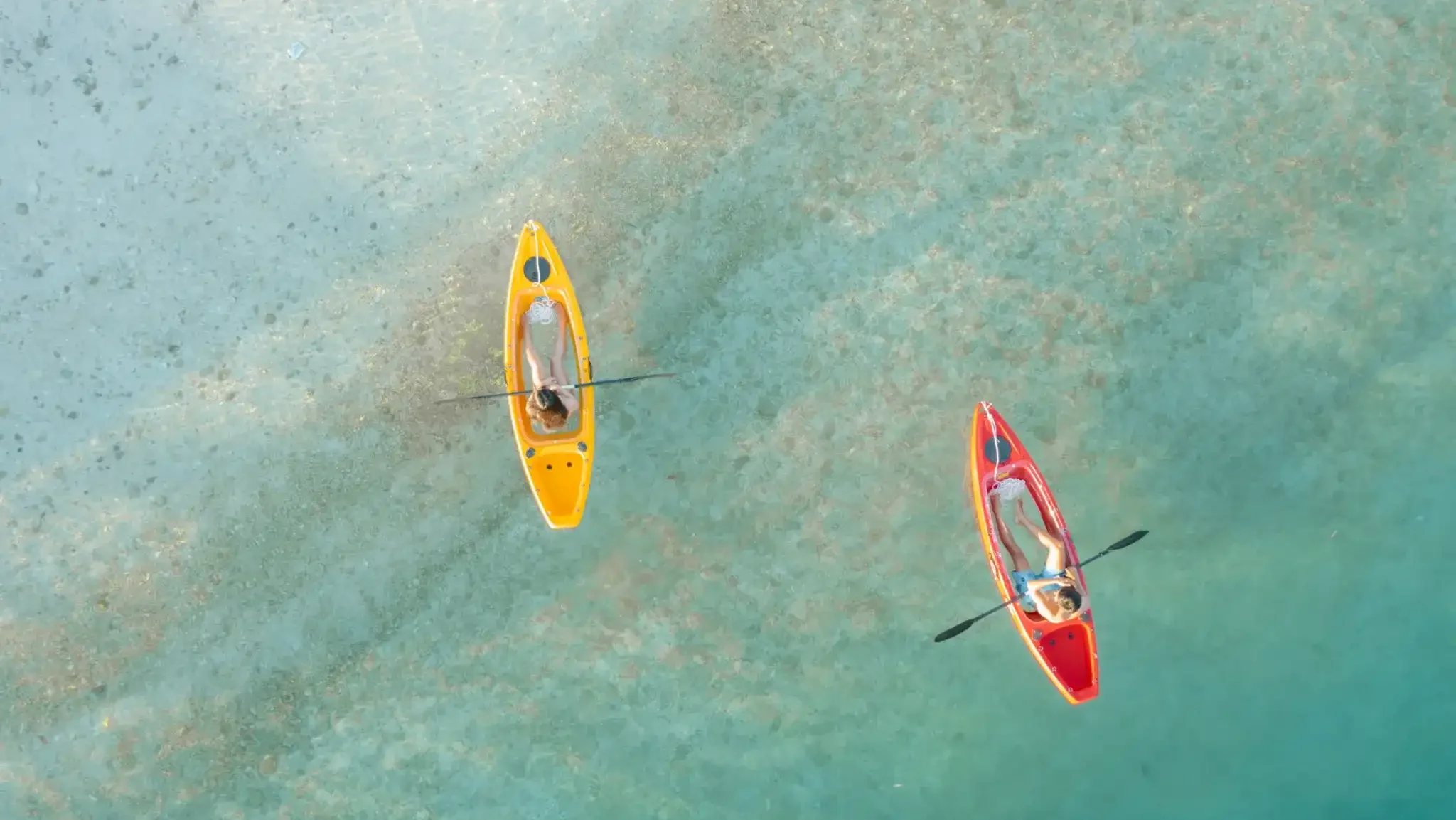
For a 3–5 day Komodo liveaboard, pack light quick-dry clothing, reef-safe sunscreen, trekking shoes for Padar, a dry bag, seasickness tablets, and Indonesian rupiah in cash. Leave towels and snorkel gear at home — LASHA provides both on board. This checklist covers exactly what belongs in your bag for a short Komodo cruise.
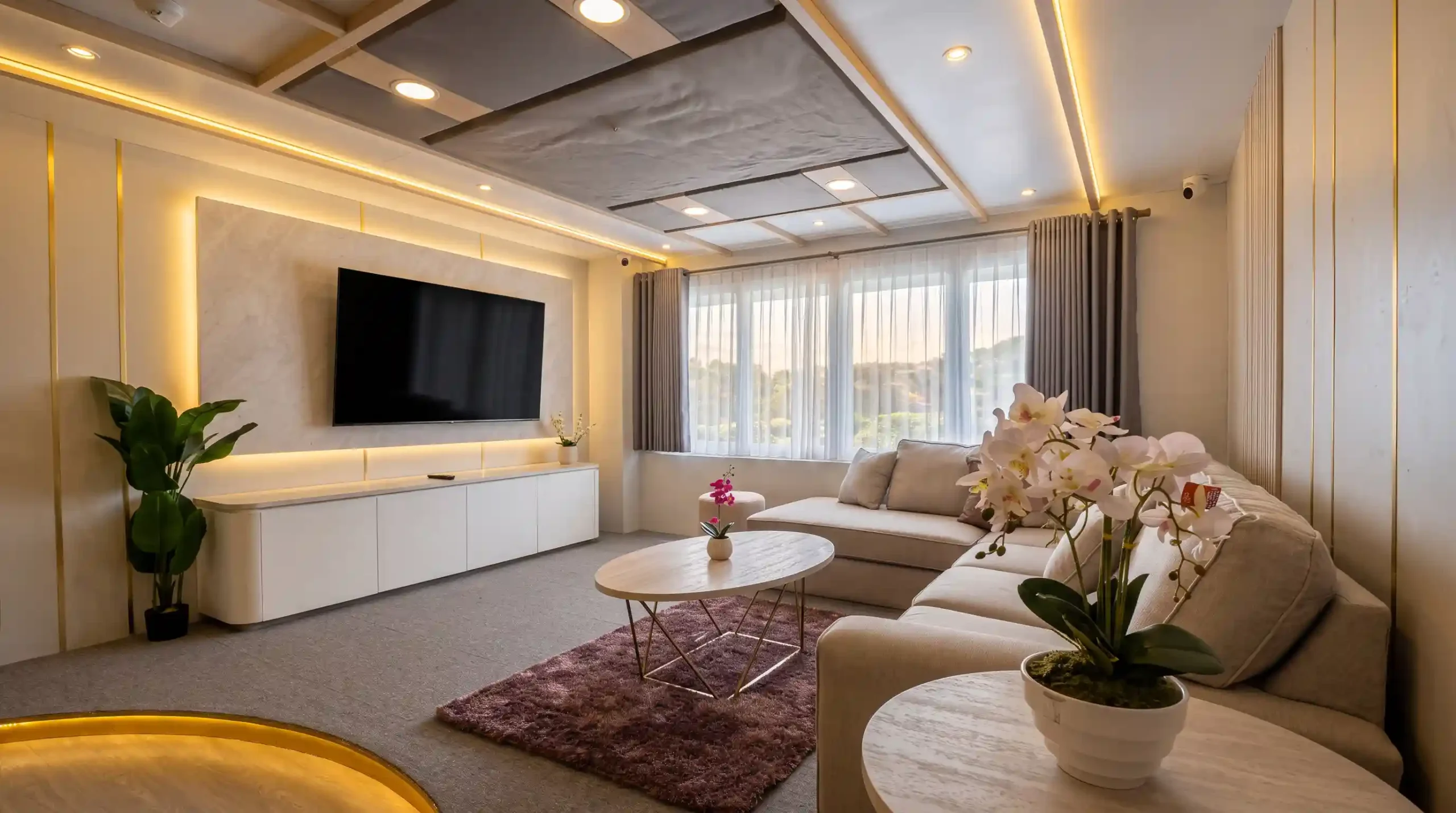
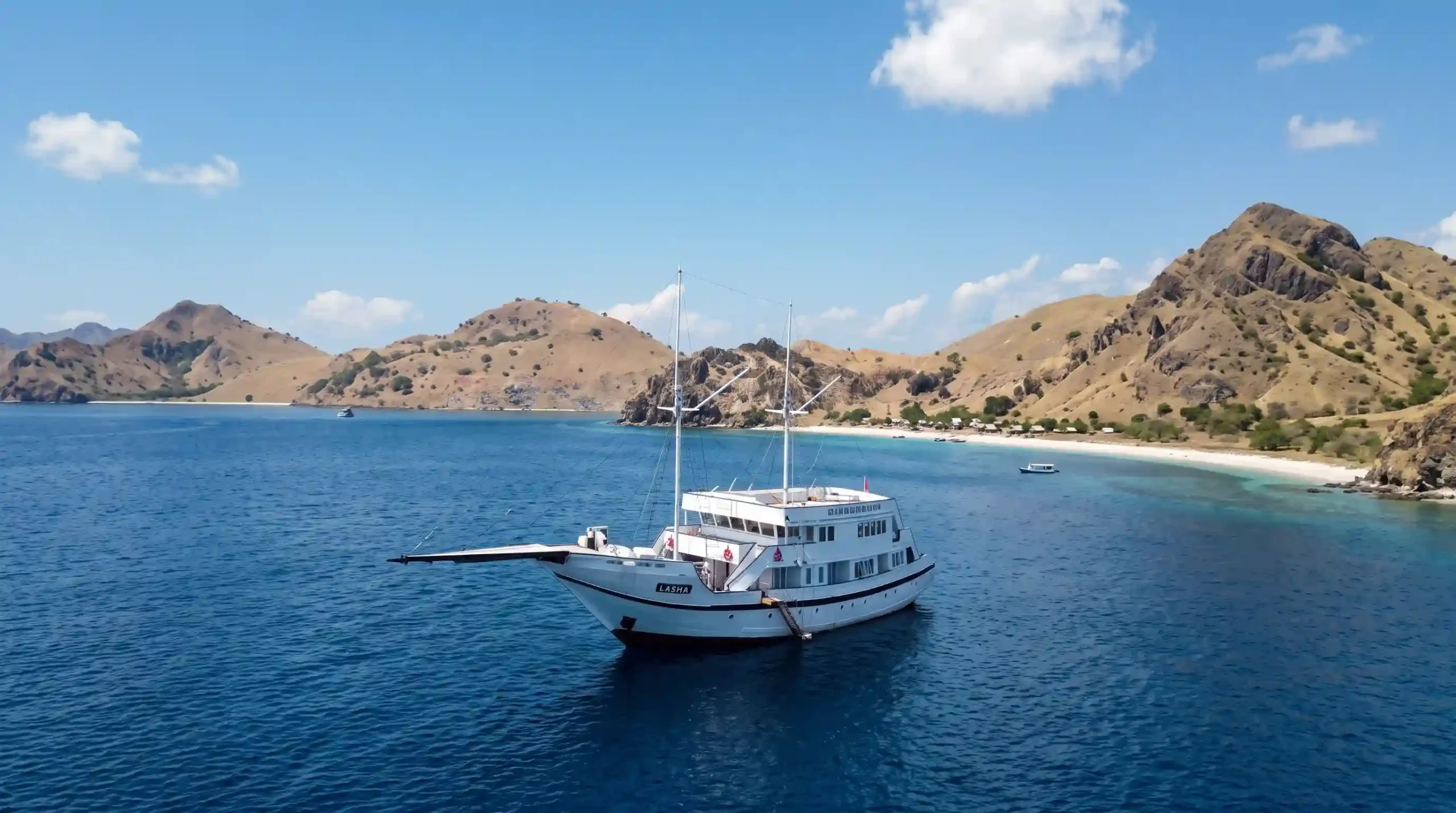
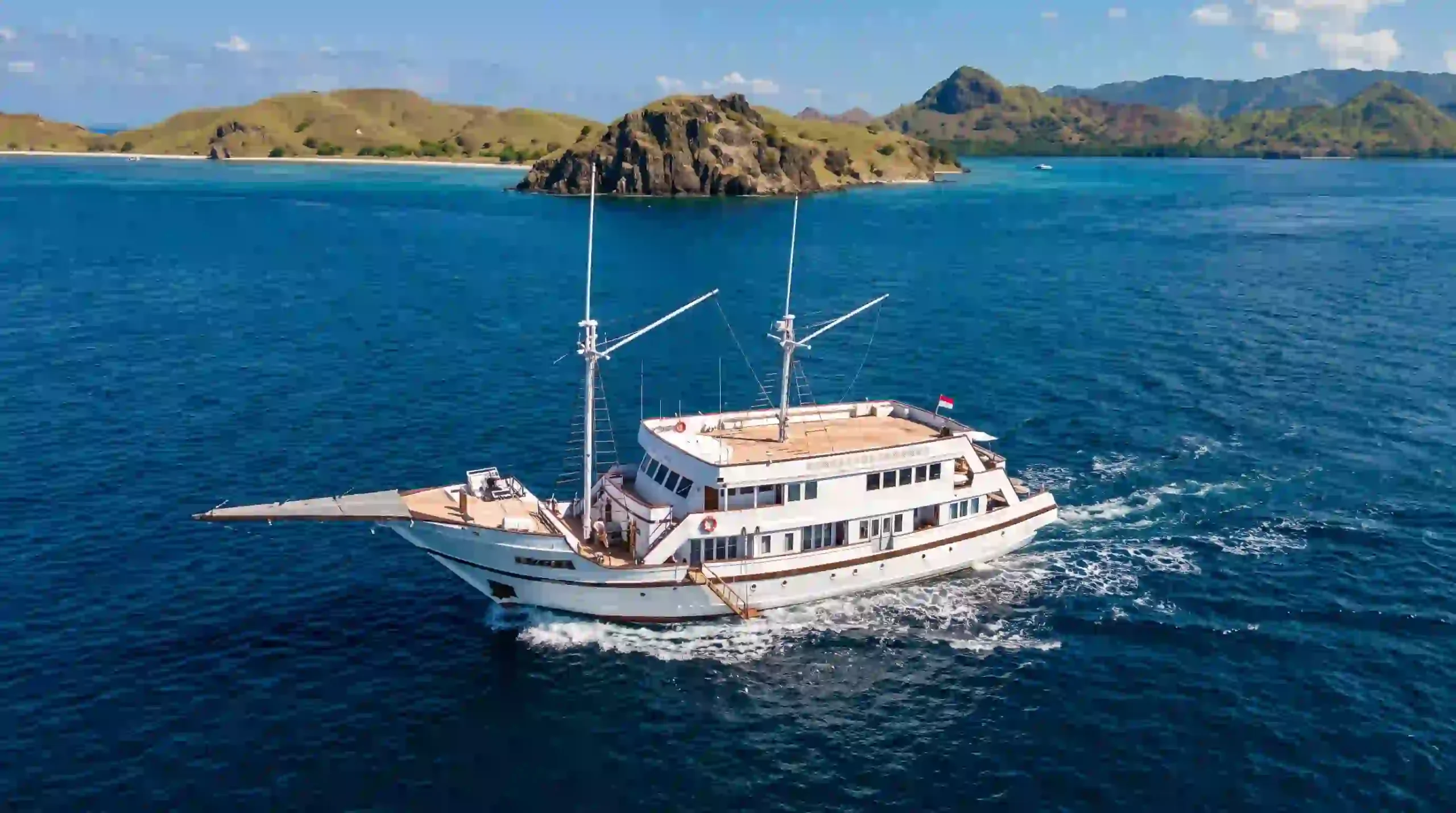
LASHA is the newest liveaboard in Komodo — a 52.5-metre, 466-ton phinisi with ten ensuite cabins across four decks for up to 26 guests, sailing from her home port of Labuan Bajo from 17 August 2026. Most of her Komodo itineraries run three to five days, and that short window changes what actually deserves space in your bag. This guide covers the short-cruise kit; for long-range voyages, use our separate 12-day expedition packing guide instead.
How Is Packing for 3–5 Days Different From a Long Expedition?
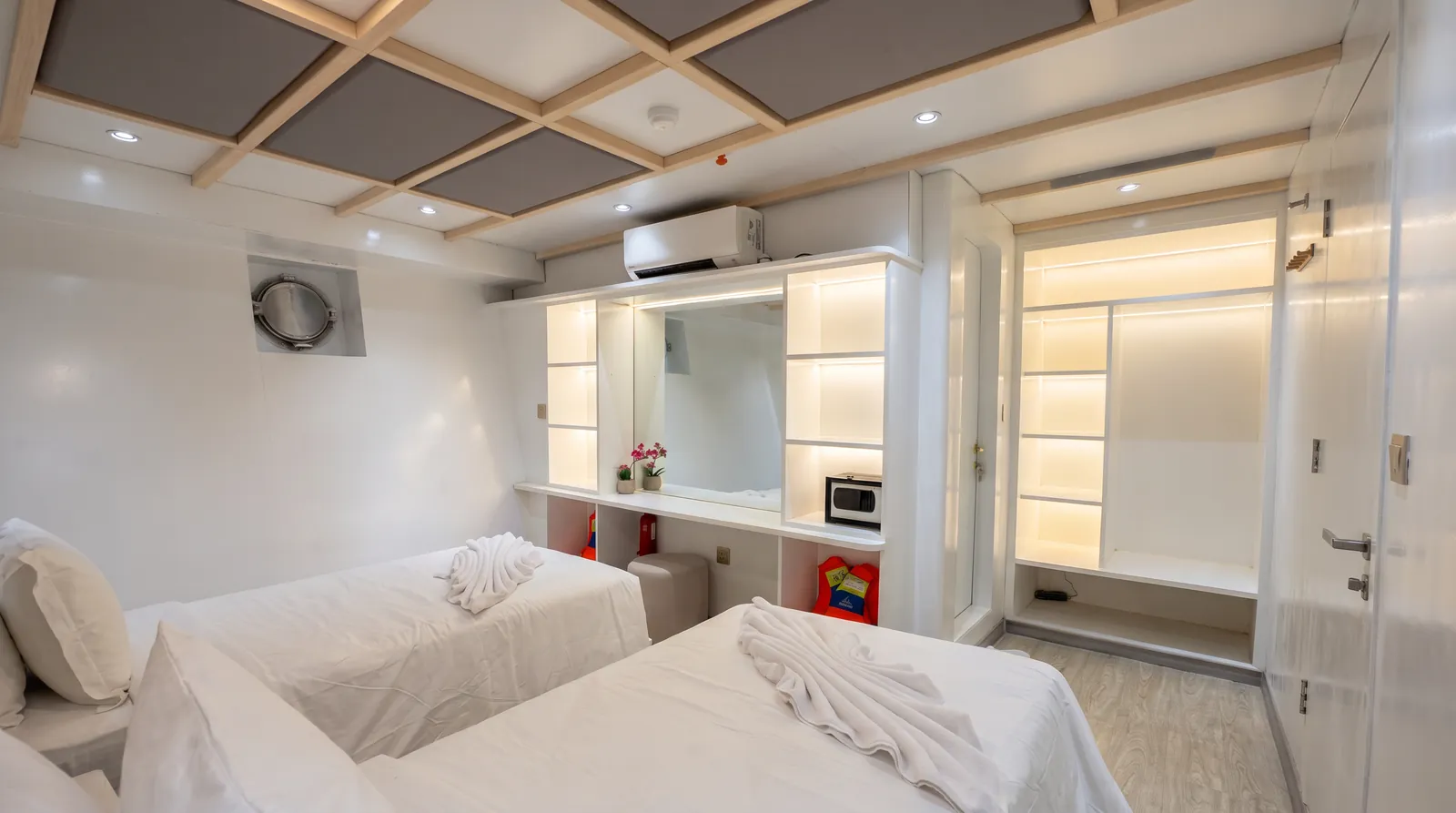
You need far less than you think. A 3D2N to 5D4N cruise means no laundry planning, no spare-of-everything redundancy, and no provisioning for remote passages. Every cabin on LASHA is ensuite with proper storage, so a soft duffel or 40-litre backpack is the right luggage — it stows flat under the bed, which a hard-shell case never will. One caveat: if your route extends to Raja Ampat or Banda, those voyages run a minimum of five nights in far more remote water, and the expedition list applies.
What Clothing Works Best on a Komodo Liveaboard?
Komodo sits between roughly 27 and 33°C year-round, and most of your day is spent in or near the water. Quick-dry synthetics and rash guards beat cotton, which stays damp and heavy in the humidity. Three or four tops, two pairs of shorts, and two swimsuits rotating on the drying line will carry you through five days comfortably. Evenings on the jacuzzi sun deck are breezy under way, so add one light long-sleeve layer. Dinner in the Lounge & Resto is relaxed — nobody dresses formally at anchor — and a sarong doubles as a cover-up for village visits and Labuan Bajo town, where modest dress is appreciated.
What Belongs on Your Komodo Packing Checklist?
| Category | Pack this | Why it matters |
|---|---|---|
| Clothing | 3–4 quick-dry tops or rash guards, 2 shorts, 2 swimsuits, 1 light long-sleeve layer, sarong | Tropical days, breezy evenings on the sun deck |
| Sun protection | Reef-safe mineral sunscreen SPF 50, wide-brim hat, polarised sunglasses, SPF lip balm | The Komodo sun is fierce on open water and exposed trails |
| Footwear | Trekking shoes or grippy trail runners, plus sandals | Padar's trail is steep and gravelly; decks are barefoot |
| In the water | Nothing required — snorkel sets and towels are on board | Divers bring certification card and logbook only |
| Health | Non-drowsy seasickness tablets, acupressure bands, ginger chews, personal medication, small first-aid kit | LASHA has no active fin stabilizers; open crossings can roll |
| Money & documents | IDR cash in small notes, one bank card, passport, travel insurance details | ATMs are in Labuan Bajo; there are none in the national park |
| Gear | 10–20 L dry bag, power bank, camera, spare memory card, universal adapter | Tender rides splash; sea Wi-Fi is limited |
| Extras | Reusable water bottle, downloaded books and playlists, light rain shell (Nov–Mar) | Downloads finish in port, not at sea |
Why Does Your Sun Protection Need to Be Reef-Safe?
You will be swimming over living coral several times a day, and conventional sunscreens containing oxybenzone and octinoxate are linked to coral damage. Choose a mineral formula built on non-nano zinc oxide or titanium dioxide, and pack more than you think you need — reapplying after every swim empties a bottle quickly, and reef-safe options are scarce in Labuan Bajo. A long-sleeve rash guard is the smarter fix: it cuts your sunscreen use in half and spares your shoulders during long snorkel sessions. Polarised sunglasses earn their place too, cutting glare when you are scanning the water for mantas from the bow.
What Shoes Do You Need for the Padar Trek?
The Padar viewpoint climb is the one moment on a short cruise where footwear genuinely matters. The trail combines stairs with loose volcanic gravel, and most guests hike it pre-dawn for sunrise, descending as the heat builds. Closed trekking shoes or trail runners with real grip are the right call; flip-flops are a twisted ankle waiting to happen. The ranger-guided walks on Komodo and Rinca are flatter but hot and dusty, so the same shoes serve both. Everywhere else — beaches, tenders, deck — sandals or bare feet are the uniform.
Should You Bring Snorkel Gear or Dive Equipment?
No. LASHA carries full snorkel sets for every guest, along with bath and beach towels, so none of that bulk needs to cross the world in your luggage. The vessel also has a dedicated dive deck; if you plan to dive, bring your certification card and logbook, plus your own mask or dive computer only if you prefer them to rented equipment. Details on dive charters and supported sites are on our diving page.
How Much Cash Should You Bring — and in What Currency?
Carry Indonesian rupiah in small denominations for souvenirs at the Komodo village stalls, incidentals in Labuan Bajo, and crew gratuities at the end of the cruise. Withdraw before boarding — ATMs exist in Labuan Bajo town but nowhere inside the national park. You do not need cash for fees: LASHA's US$25 per guest per night fee (US$35 on Full Day and 2D1N sailings) is invoiced with your charter rather than collected on board. The full pricing structure, by trip length and group size for leisure charters of up to 14 guests, is published on our rates page.
What Helps With Seasickness on Board?
Honest answer: LASHA is a large, heavily built ship — 52.5 metres and 466 gross tons — and she is steady at anchor, but she sails without active fin stabilizers, so open-water crossings can roll when a swell is running. If you are at all sensitive, take a non-drowsy tablet before departure rather than after symptoms start, and back it up with acupressure bands and ginger chews. The reassuring context: most Komodo cruising consists of short hops between islands in relatively sheltered water, and nights are spent in calm anchorages, so discomfort tends to be brief when it happens at all.
What About Electronics and Wi-Fi at Sea?
Plan to be mostly offline. Wi-Fi at sea is limited, so download offline maps, books, and playlists before you leave port, and warn anyone expecting instant replies. Indonesia uses European-style type C and F sockets at 230V, so travellers from the UK, US, and Australia need an adapter. A power bank keeps your phone alive through sunrise treks and long photo days, and your dry bag protects it all on the tender runs between ship and shore.
What Should You Leave at Home?
- Towels — bath and beach towels are provided.
- Snorkel gear — full sets are on board for every guest.
- Hard-shell luggage — it has nowhere to stow; bring a soft duffel.
- Formal wear — evenings in the Lounge & Resto are barefoot-elegant, not black-tie.
- A heavy toiletry kit — every cabin is ensuite; pack travel sizes and the reef-safe sunscreen instead.
Days on board revolve around swimming, trekking, and the jacuzzi on the sun deck. Pack for that and nothing more — whether you are booking a cabin or taking the whole ship as a private Komodo charter, the lighter your bag, the better the trip.
⚓ This guide is part of the journal of the LASHA boat in Komodo — the 52.5-metre luxury phinisi sailing Komodo National Park and Raja Ampat. Official booking only via lashacruise.com · WhatsApp +62 811-3823-875 (Komodo Luxury).