
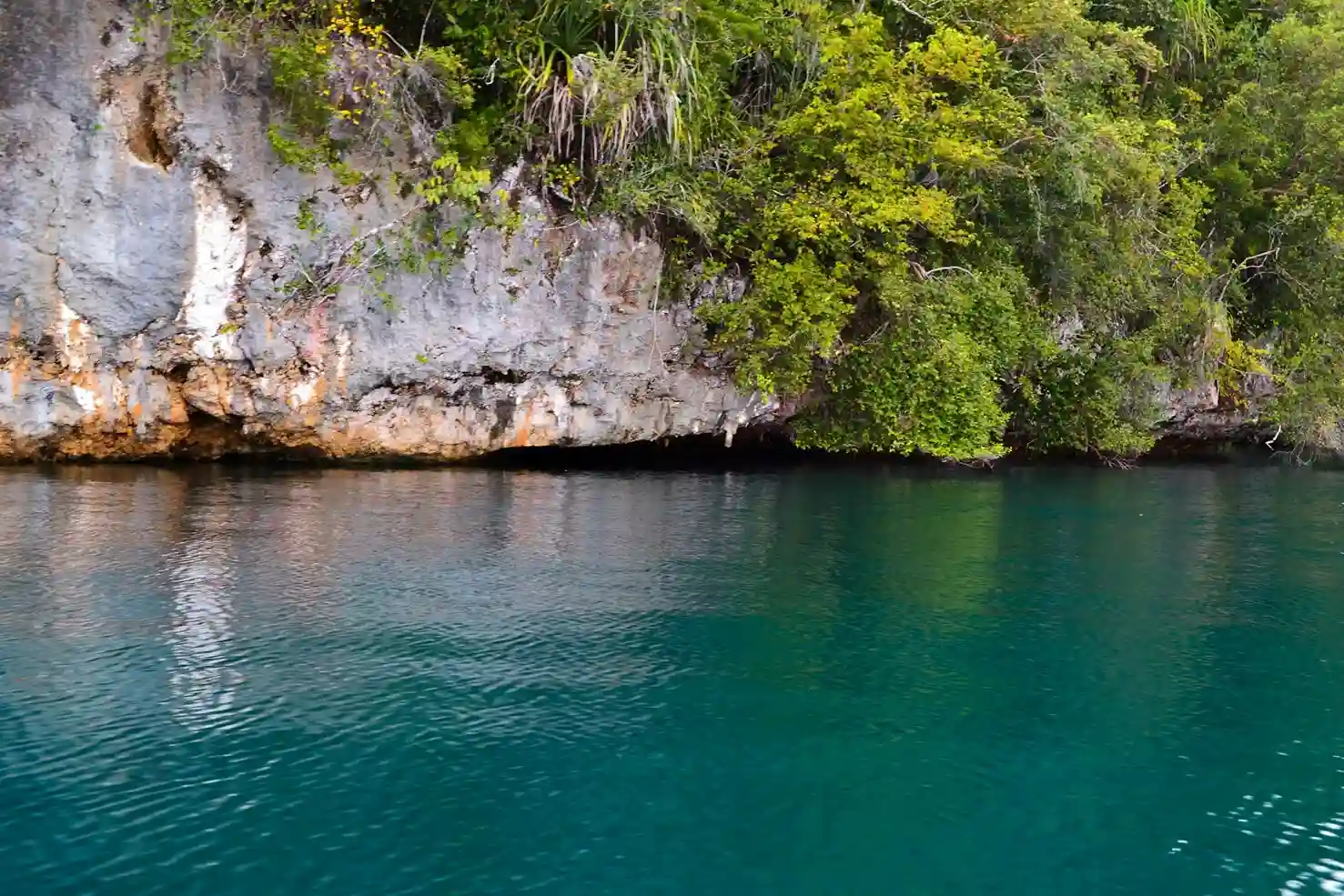
Raja Ampat records more than 540 species of hard coral — about three-quarters of every hard coral species known to science — and around 1,300 species of reef fish, inside a marine protected area of roughly two million hectares. That concentration is why it sits at the centre of the Coral Triangle, and why its entry fees are the highest in Indonesia at IDR 1,700,000 per foreign visitor.
"The most biodiverse marine environment on earth" gets used about Raja Ampat so often that it has stopped meaning anything. It happens to be defensible, but only if you attach numbers to it — so here are the numbers, what they compare against, and what they actually look like from the water.
What Do the Numbers Say?
| Measure | Raja Ampat | Komodo National Park |
|---|---|---|
| Hard coral species | More than 540 — roughly 75% of all known species | More than 250 |
| Reef fish species | Around 1,300 | More than 1,000 |
| Protected area | Marine protected area of roughly 2,000,000 hectares | Marine area of 159,172 hectares; park total roughly 1,817 km² |
| Foreign entry fee | IDR 1,700,000 (conservation card + regency levy) | IDR 250,000 per visit under PP 36/2024 |
| Water temperature | Warm and stable year round | 26–29 °C north; 21–25 °C in the southern upwelling, June–September |
| Signature condition | Coral density and soft coral colour | Current, biomass and pelagic action |
Species counts vary slightly between surveys; the figures used here are the widely published ranges and are stated as "more than" or "around" rather than as exact counts.
Why Is the Coral Number the One That Matters?
Fish counts are impressive everywhere in the Coral Triangle. The coral figure is different in kind. When a single archipelago holds around three-quarters of the world's known hard coral species, it is not simply a good dive destination — it is a reservoir. Hard corals build the structure everything else lives in, so coral diversity is a reasonable proxy for how many distinct kinds of habitat exist in a small area. That is what makes two neighbouring reefs in Raja Ampat look genuinely unlike one another.
What Does That Look Like From the Water?
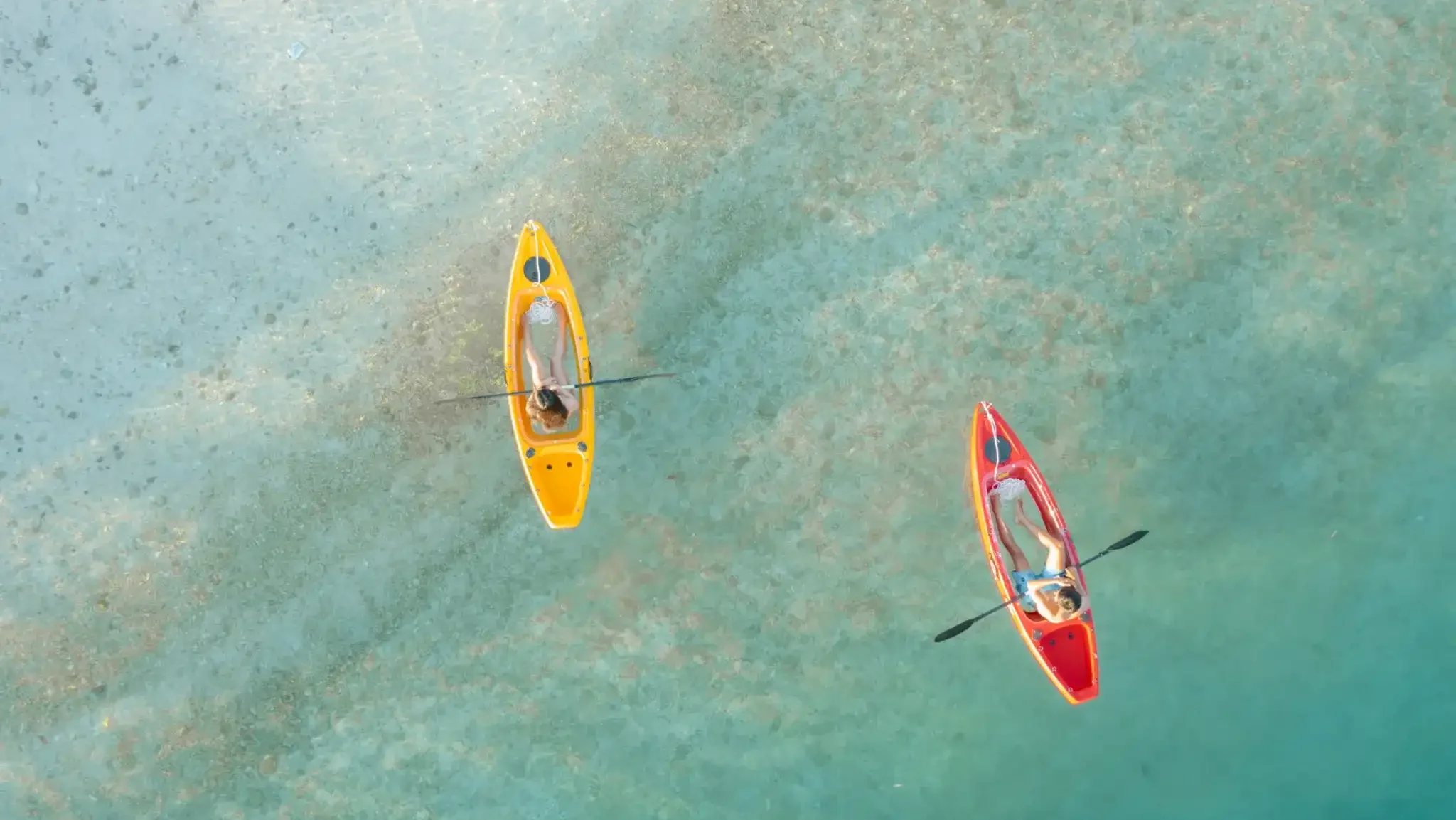
Three things surprise most first-time visitors. The first is how shallow it is: much of the coral density sits between three and eight metres, which means snorkellers are not getting a consolation prize. The second is the colour — soft coral gardens in reds and purples that photograph like a mistake in the white balance. The third is how quickly it changes. A current-fed ridge in the Dampier Strait and a sheltered bay an hour away are different worlds, and a boat is the only way to see both in one day.
Where Is the Density Highest?
- The Dampier Strait — the archipelago's central cruising ground, where current between Waigeo and Batanta feeds the reefs and the fish biomass follows.
- Southern Misool — soft coral walls inside a no-take reserve of roughly 1,220 square kilometres, reported by the Misool Foundation, where more than a decade without fishing shows.
- The northern islands around Wayag — better known above water than below, but the lagoon shallows hold juvenile blacktip sharks.
How Do You Actually See a Fair Share of It?
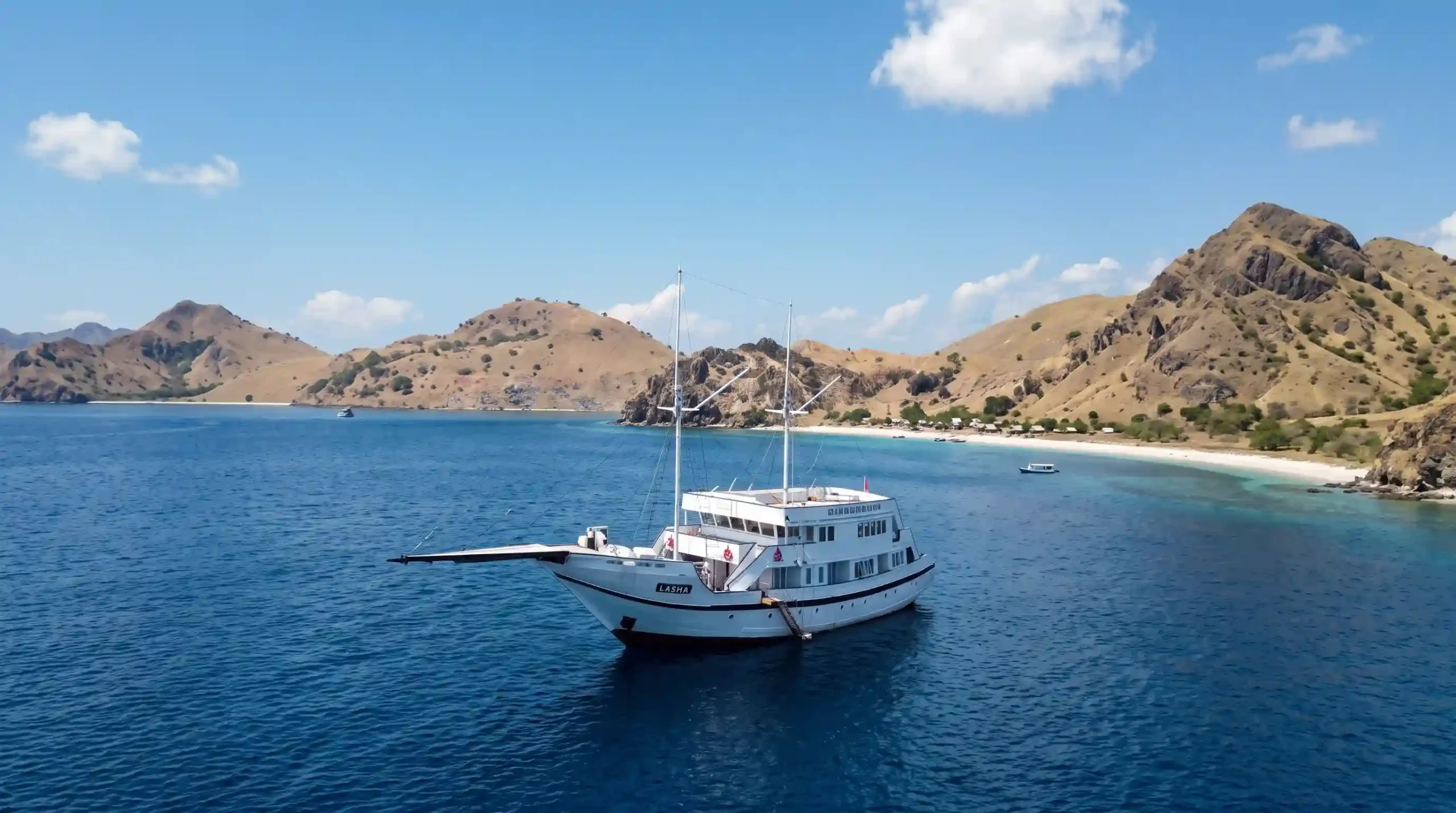
Not from one base. The archipelago's highlights sit at opposite ends of it — Wayag far to the north-west, Misool roughly 100 to 120 nautical miles south of Sorong — so a fixed base means choosing one region and accepting you will not see the others. That geography is the entire argument for an expedition vessel, made in detail on the Misool expedition-only page. What the boat itself brings to that job — 52.5 metres, 466 GT, ten ensuite cabins, 12,000 litres of fuel and 22,000 litres of fresh water — is set out on the vessel specification page.
For where the conservation money goes, see what the Misool no-take reserve protects.
Frequently Asked Questions
How many coral species are there in Raja Ampat?
More than 540 species of hard coral, which is roughly three-quarters of all hard coral species known to science, concentrated in one archipelago. No comparable area anywhere else comes close to that share.
How many fish species live in Raja Ampat?
Around 1,300 species of reef fish are recorded across the archipelago. Densities vary enormously by site: a protected wall in southern Misool and a heavily used shallow near a settlement are not the same reef.
How big is the protected area?
The Raja Ampat marine protected area covers roughly two million hectares. That scale is the reason the entry fees exist and why a single card funds patrols and moorings across dozens of separate islands.
Is Raja Ampat more biodiverse than Komodo?
By coral species, clearly. Komodo National Park records more than 250 coral species and more than 1,000 reef fish species; Raja Ampat records over 540 corals and around 1,300 fish. Both sit inside the Coral Triangle, but Raja Ampat is its densest point.
Where is the biodiversity concentrated?
The Dampier Strait and southern Misool carry the reputation, for different reasons — current-fed reefs in the strait, and more than a decade of no-take protection in the south.
Do I need to dive to see it?
No. Much of Raja Ampat's coral density sits in three to eight metres of water, so competent snorkellers see a great deal. Manta cleaning stations and deeper walls are the main things reserved for divers.
Where These Numbers Come From
Vessel dimensions, tank capacities, cabin counts and safety inventory come from LASHA's own published specification sheet on the yacht page. Charter figures are the published 2026–2027 rate file on the rates page — the same document the Komodo Luxury charter desk quotes from, reproduced in full rather than hidden behind an enquiry form. Government fees are cited to their regulation or issuing body in the text. Anything that is an operational estimate rather than a published figure is labelled as an estimate where it appears. LASHA begins her maiden public season on 17 August 2026, so there are no guest reviews to quote yet and none are invented here. Biodiversity figures for Raja Ampat and Komodo are the widely published survey ranges for each area, expressed as ranges rather than precise counts because sources differ. Figures checked 1 August 2026.
Plan This With the Charter Desk
If biodiversity is the reason for the trip, the route should be built around regions rather than dates — tell the desk which reefs matter most. Every LASHA Phinisi Cruise booking is handled by Komodo Luxury, the vessel's official marketing and booking partner — an operator working Indonesian waters since 2015 and part of Juara Holding Group. Send your month, guest count and how many of the party dive, and you get a written quotation drawn from the same rate bands published on this site, with every separately billed item listed before anything is paid.
WhatsApp +62 811 3823 875 [email protected]
⚓ This guide is part of the journal of the LASHA yacht — the 52.5-metre luxury phinisi sailing Komodo National Park and Raja Ampat. Official booking only via lashacruise.com · WhatsApp +62 811-3823-875 (Komodo Luxury).