
A full day at sea is a passage day: the ship is under way, there is no anchorage and no shore landing, and the horizon is the whole itinerary. On LASHA's eastern routes most repositioning happens overnight, so full sea days appear only on the long crossings — roughly three to four of them across the 800 to 1,000 nautical miles between Labuan Bajo and Sorong at a planning speed of eight to ten knots.
Expedition brochures rarely describe sea days, which is odd, because they are the thing that most separates an expedition from a tour. They are also the thing guests most often ask about after they have committed — and by then it is too late to change your mind. So here is what a passage day is actually like aboard a 52.5-metre phinisi, how many of them each itinerary length contains, and who should think twice.
How Many Sea Days Does Each Itinerary Contain?
| Itinerary | Region | Full sea days | Why |
|---|---|---|---|
| 8D7N ex-Sorong | Northern Raja Ampat | 0–1 | Anchorages are close together; passages run overnight |
| 10D9N ex-Sorong | Northern Raja Ampat plus Wayag or Misool | 1–2 | One long reposition to the far north or the far south |
| 12D11N ex-Sorong | North and south, or a Banda leg | 2–3 | Two long repositions, or the run into the Banda arc |
| Full crossing, Labuan Bajo ↔ Sorong | Flores Sea, Banda Sea, Halmahera Sea | 3–4 | 800–1,000 nautical miles of open water between cruising grounds |
Sea-day counts are operational planning estimates that move with weather and the final route; they are not a contractual schedule.
What Does the Day Actually Look Like?
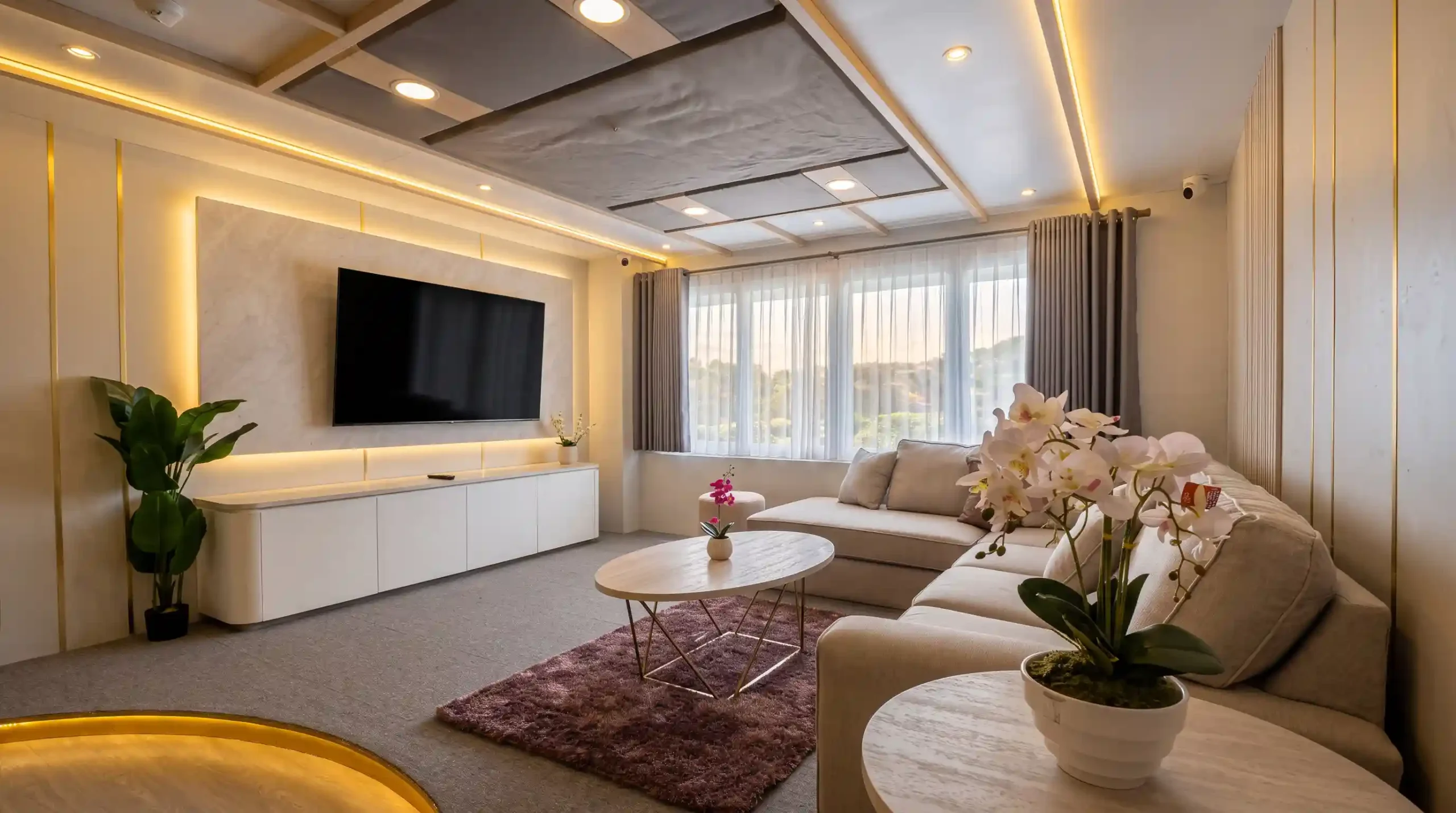
It starts quietly. The engine has usually been running since before dawn, the crew has been on watch through the night, and the first thing you notice is that the anchor chain never went out. Breakfast runs long because there is nowhere to be. The four decks spread 26 guests out far more comfortably than a smaller boat can — shaded lounge, alfresco spaces, and the foredeck for the people who want the wind. Divers strip and service regulators. Photographers get their one uninterrupted day to cull and edit. Someone always ends up on the bow with binoculars, because the deep water between the island arcs is where cetaceans turn up.
Meals structure the day more than they do at anchor, and the galley knows it. Afternoon is briefing time: the next region, the entry rules, the dive plan for the reefs that come after the passage. Then the light goes, and if you have never watched a night sky from open water hundreds of miles from a city, that alone is worth one of these days.
How Rough Is It, Honestly?
It depends entirely on the season, and the season is why the crossing is only sold twice a year. The Banda Sea has two workable windows — March to April in the westerly transition and September to November in the easterly — and operators avoid December to March and the strong part of June to September for good reason. Inside those windows the crossing is normally comfortable. Outside them it is not a question of comfort but of judgement, and we do not sail it.
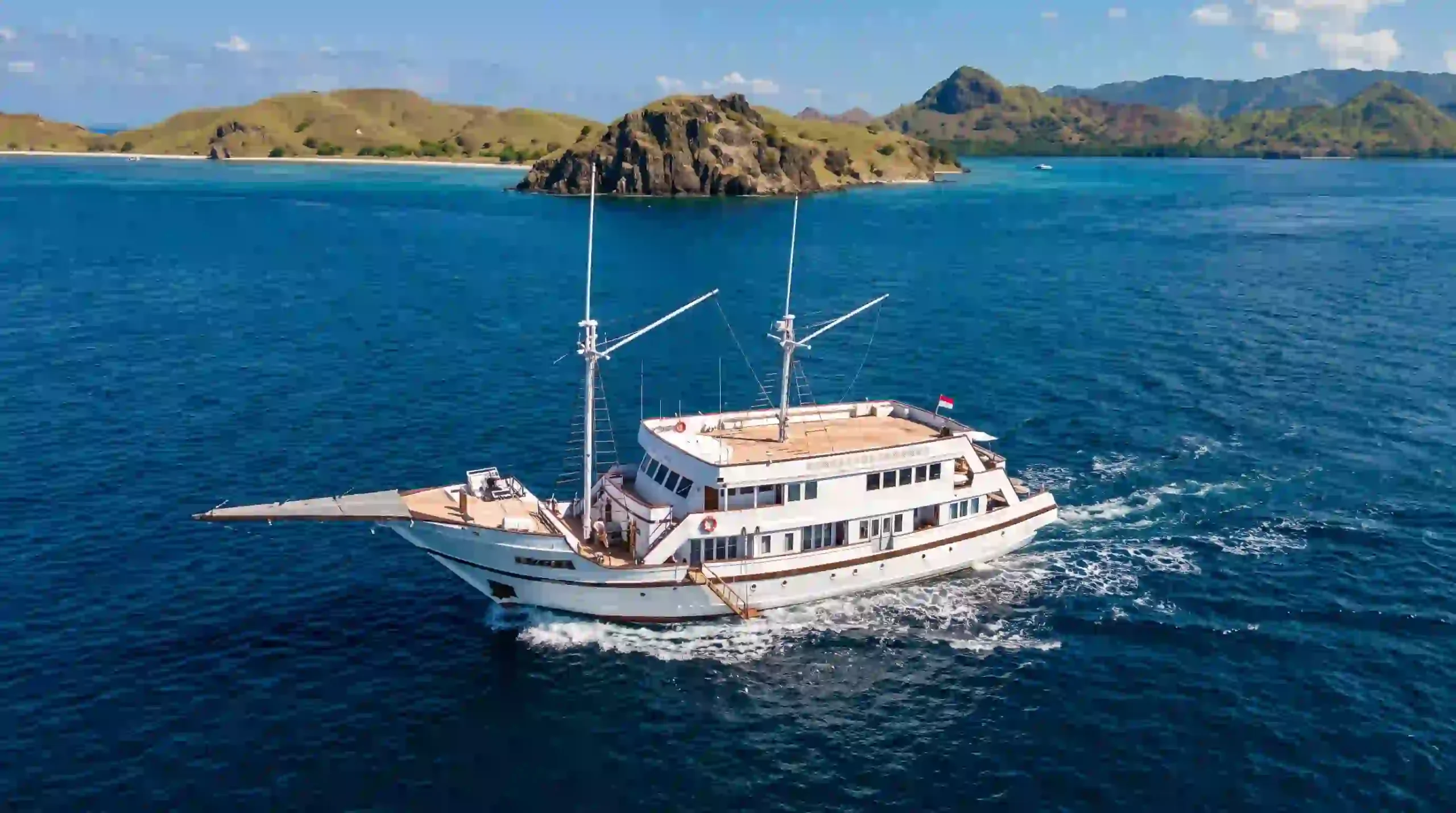
The other half of the honest answer is the vessel. LASHA is a 466 GT wooden phinisi built in 2023 from ironwood and teak, 52.5 metres long with a 10.3-metre beam. Length and beam help; she is a substantially steadier platform than the small open-trip boats that work Komodo. But no wooden phinisi is a stabilised motor yacht, and anyone who tells you otherwise is selling. If you are prone to motion sickness, medicate before the passage begins, not once it has.
Who Should Avoid the Long Crossings?
- Anyone with limited time — a crossing spends days getting somewhere instead of being there.
- Travellers who need daily shore access, whether for restlessness or medical reasons.
- Groups with young children who will find a passage day long and featureless.
- Anyone whose motion sickness has previously spoiled a trip; the northern archipelago sailings avoid open-water days almost entirely.
If none of that applies, sea days become the part people describe afterwards. The full requirements — group size, timing, medical and logistical realities — are set out in the ten to fourteen day expedition requirements page, and the crossing itself, leg by leg with distances and costs, is on the Komodo to Raja Ampat crossing page. For the sharper end of the motion question, see our straight answer on seasickness.
Frequently Asked Questions
How many full days at sea does a Raja Ampat itinerary involve?
Sailings that stay inside the archipelago usually have none — overnight passages between anchorages do the work while you sleep. A full crossing between Labuan Bajo and Sorong involves roughly three to four daylight passage days across 800 to 1,000 nautical miles.
How fast does the ship travel on a passage?
Eight to ten knots is the working assumption for planning, which is why 800 to 1,000 nautical miles becomes five to seven days of pure transit. That is an operational estimate used for route planning, not a published performance figure.
Is there anything to do on a sea day?
Sea days are the quiet centre of an expedition: reading on the shaded decks, briefings for the next region, kit servicing for divers, long meals, and — genuinely — watching for cetaceans in the deep water between the arcs.
Will I be seasick on a passage day?
Some people are, and we are not going to pretend otherwise. LASHA is a 466 GT wooden phinisi, not a stabilised motor yacht. Open water in the Banda Sea moves the boat, and the honest advice is to medicate before departure rather than after symptoms start.
Does the boat sail through the night?
Yes, on passage legs. The crew runs watches and most repositioning happens overnight so that daylight hours are spent at anchor, diving or ashore rather than in transit.
Can I get off the boat on a sea day?
Not in open water — that is what makes it a sea day. It is the reason the crossing is sold only on itineraries of ten nights and longer, where the passage is a fair share of the trip rather than most of it.
Where These Numbers Come From
Vessel dimensions, tank capacities, cabin counts and safety inventory come from LASHA's own published specification sheet on the yacht page. Charter figures are the published 2026–2027 rate file on the rates page — the same document the Komodo Luxury charter desk quotes from, reproduced in full rather than hidden behind an enquiry form. Government fees are cited to their regulation or issuing body in the text. Anything that is an operational estimate rather than a published figure is labelled as an estimate where it appears. LASHA begins her maiden public season on 17 August 2026, so there are no guest reviews to quote yet and none are invented here. Figures checked 1 August 2026.
Plan This With the Charter Desk
Tell the desk how much open water your group is willing to accept and the route will be shaped around that answer, not against it. Every LASHA Phinisi Cruise booking is handled by Komodo Luxury, the vessel's official marketing and booking partner — an operator working Indonesian waters since 2015 and part of Juara Holding Group. Send your month, guest count and how many of the party dive, and you get a written quotation drawn from the same rate bands published on this site, with every separately billed item listed before anything is paid.
WhatsApp +62 811 3823 875 [email protected]
⚓ This guide is part of the journal of the LASHA yacht — the 52.5-metre luxury phinisi sailing Komodo National Park and Raja Ampat. Official booking only via lashacruise.com · WhatsApp +62 811-3823-875 (Komodo Luxury).