
Indonesia runs 220 volts at 50 Hz with European two-pin sockets, and LASHA carries two Mitsubishi 6D22 generators of 70 kVA each. That is enough for cameras, strobes and dive lights across 26 guests — but outlet counts per cabin and any dedicated charging station are confirmed on your quotation, not promised here. Bring adaptors, more spare batteries than you think, and charge lithium cells where they can be watched.
Underwater photographers plan their dives and then discover the real bottleneck is a power strip. On a twelve-day expedition with no shops between anchorages, charging logistics are a genuine planning item, so here is what is actually on board, what to bring, and which questions to ask before you commit.
What Power Does the Vessel Carry?
| Item | Figure |
|---|---|
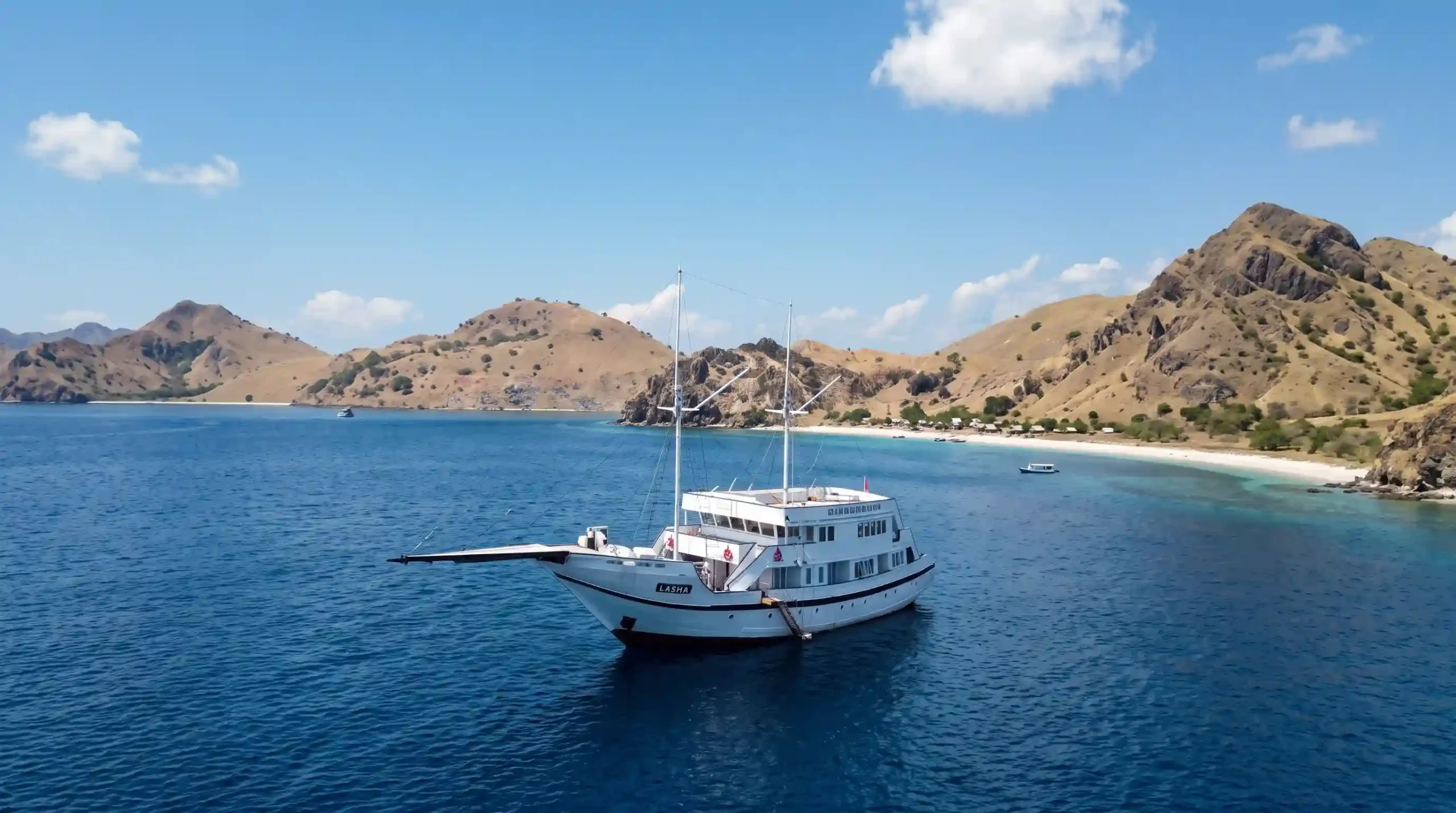
| Generators | 2 × Mitsubishi 6D22, 70 kVA each |
| Main engine | Weichai X6170, 750 hp |
| Fuel capacity | 12,000 litres |
| Fresh water capacity | 22,000 litres |
| Guests | Up to 26 across 10 ensuite cabins |
| Country standard | 220 V, 50 Hz, sockets type C and F |
Vessel figures are from the published specification. The socket standard is Indonesia's national standard, not a vessel-specific claim.
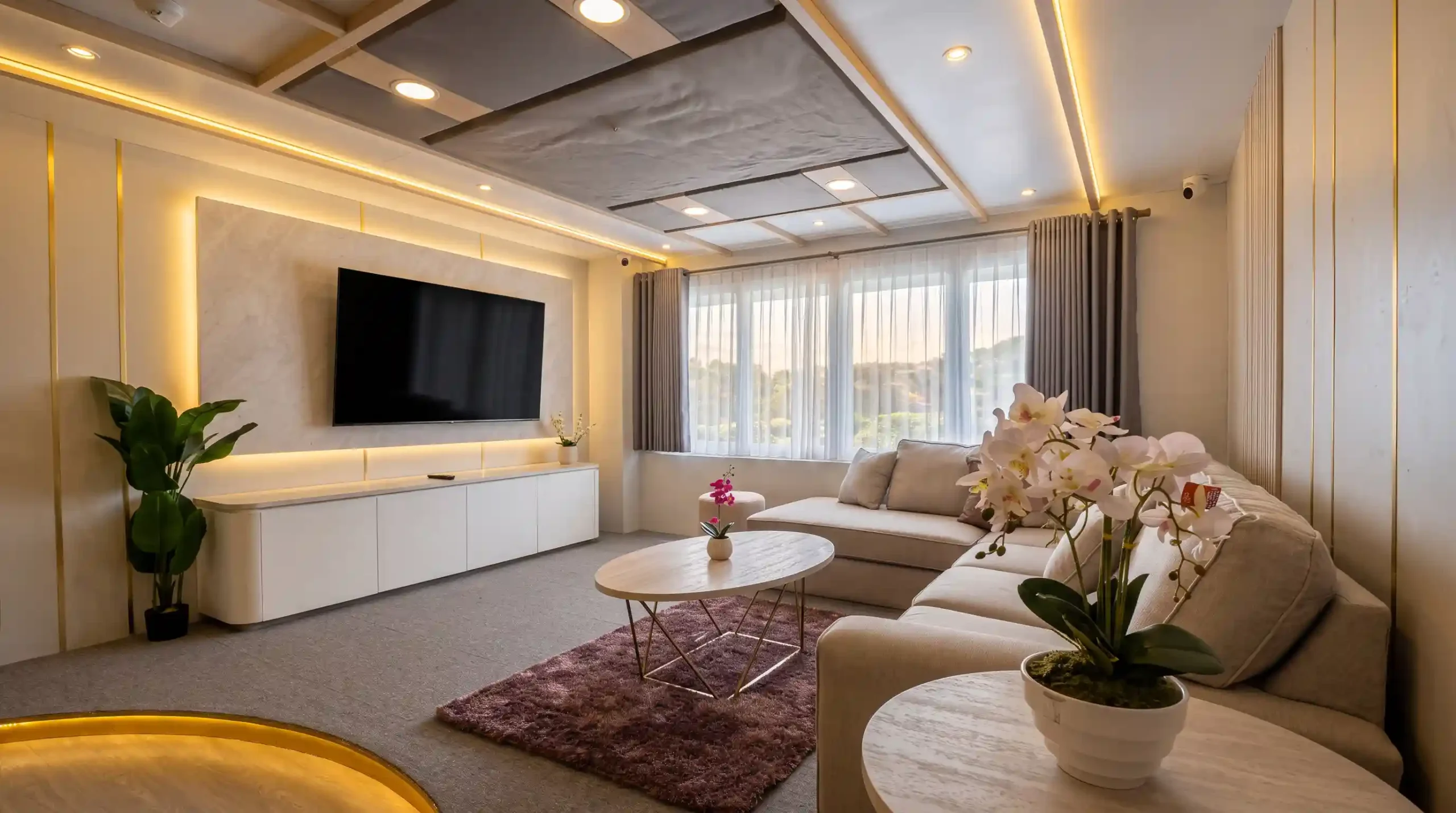
Two 70 kVA generators is substantial capacity for a vessel this size, and it is what allows air conditioning, galley, dive compressor and guest charging to run together. What it does not tell you is how many outlets sit in cabin 203, or whether there is a dedicated camera bench with a monitored charging rack. Those are configuration questions, they vary with how the boat is set up for a charter, and inventing an answer here would be exactly the kind of detail that annoys a photographer on day one.
What Should You Bring?
- Type C or F adaptors — two or three, not one. They get lost and they get borrowed.
- A multi-port USB charger. One socket becomes six ports; on a shared boat this is genuine courtesy as well as convenience.
- More spare batteries than the trip should need. Camera, strobe, dive light, computer, torch.
- Every cable, doubled. Salt air and cable ends have a difficult relationship.
- Silica gel and a dry box for anything with a sensor in it.
- A surge-protected strip if your gear is expensive; generator supply on any vessel is not a laboratory bench.
How Do You Charge Lithium Safely at Sea?
The same way any competent dive operation does it, and any crew that does not insist on this is worth a second look. Charge in a monitored common area rather than unattended in a cabin. Never charge a battery that has been in a flooded housing or a flooded light — a flooded lithium cell is a fire risk, not an inconvenience, and the correct response is to isolate it and tell the crew. Let batteries cool after a dive before charging. Do not leave cells charging overnight without someone awake nearby. On a wooden vessel a long way from anything, this is not fussiness.
What About Connectivity?
Ask, and get the answer in writing for your specific sailing. Connectivity in remote eastern Indonesia depends on location and on what system is fitted, and both change. We would rather tell you exactly what will be aboard on your dates than publish a blanket promise that fails somewhere south of Misool. Plan the trip on the assumption that you will be genuinely offline for stretches of it, and treat anything better as a bonus.
The full electrical, mechanical and safety specification sits on the vessel page, and this question along with roughly a hundred others is answered in the expedition FAQ hub. For everything else that has to fit in the bag, see the twelve-day packing list.
Frequently Asked Questions
What voltage and plugs does the boat use?
Indonesia runs 220 volts at 50 Hz with European-style two-pin sockets (types C and F). Travellers from the UK, US and Australia need adaptors; anyone with 110-volt-only equipment needs to check their charger's input range before travelling.
Is there power in the cabins?
Yes, and the vessel carries two Mitsubishi 6D22 generators of 70 kVA each. The number of outlets per cabin and whether there is a dedicated camera station is confirmed on your quotation rather than assumed here, because it varies with how the boat is set up for your charter.
Can I charge dive lights and strobes safely?
Yes, with the usual lithium discipline: charge in a monitored common area rather than unattended in a cabin, never charge a flooded or damaged battery, and let batteries cool before charging. Any competent dive crew will insist on the same.
Is there Wi-Fi or a satellite connection?
Ask before you book, and get the answer in writing. Connectivity in remote eastern Indonesia varies enormously by location and system, and we would rather confirm what is fitted for your sailing than make a promise this page cannot keep.
How many spare batteries should I bring?
More than the trip needs. Twelve days with no camera shop between anchorages is not the place to discover that two batteries were optimistic, and charging capacity is shared across everyone aboard.
Does the generator run all night?
Power management on long itineraries is part of the crew's routine and is briefed on board. If uninterrupted overnight charging matters to your work, raise it at booking so it can be planned rather than discovered.
Where These Numbers Come From
Vessel dimensions, tank capacities, cabin counts and safety inventory come from LASHA's own published specification sheet on the yacht page. Charter figures are the published 2026–2027 rate file on the rates page — the same document the Komodo Luxury charter desk quotes from, reproduced in full rather than hidden behind an enquiry form. Government fees are cited to their regulation or issuing body in the text. Anything that is an operational estimate rather than a published figure is labelled as an estimate where it appears. LASHA begins her maiden public season on 17 August 2026, so there are no guest reviews to quote yet and none are invented here. Outlet counts, charging stations and connectivity are explicitly not asserted here because they are charter-configuration details confirmed on the quotation. Figures checked 1 August 2026.
Plan This With the Charter Desk
Photographers should flag their charging requirements at booking — it is far easier to plan than to improvise at anchor. Every LASHA Phinisi Cruise booking is handled by Komodo Luxury, the vessel's official marketing and booking partner — an operator working Indonesian waters since 2015 and part of Juara Holding Group. Send your month, guest count and how many of the party dive, and you get a written quotation drawn from the same rate bands published on this site, with every separately billed item listed before anything is paid.
WhatsApp +62 811 3823 875 [email protected]
⚓ This guide is part of the journal of the LASHA Liveaboard — the 52.5-metre luxury phinisi sailing Komodo National Park and Raja Ampat. Official booking only via lashacruise.com · WhatsApp +62 811-3823-875 (Komodo Luxury).