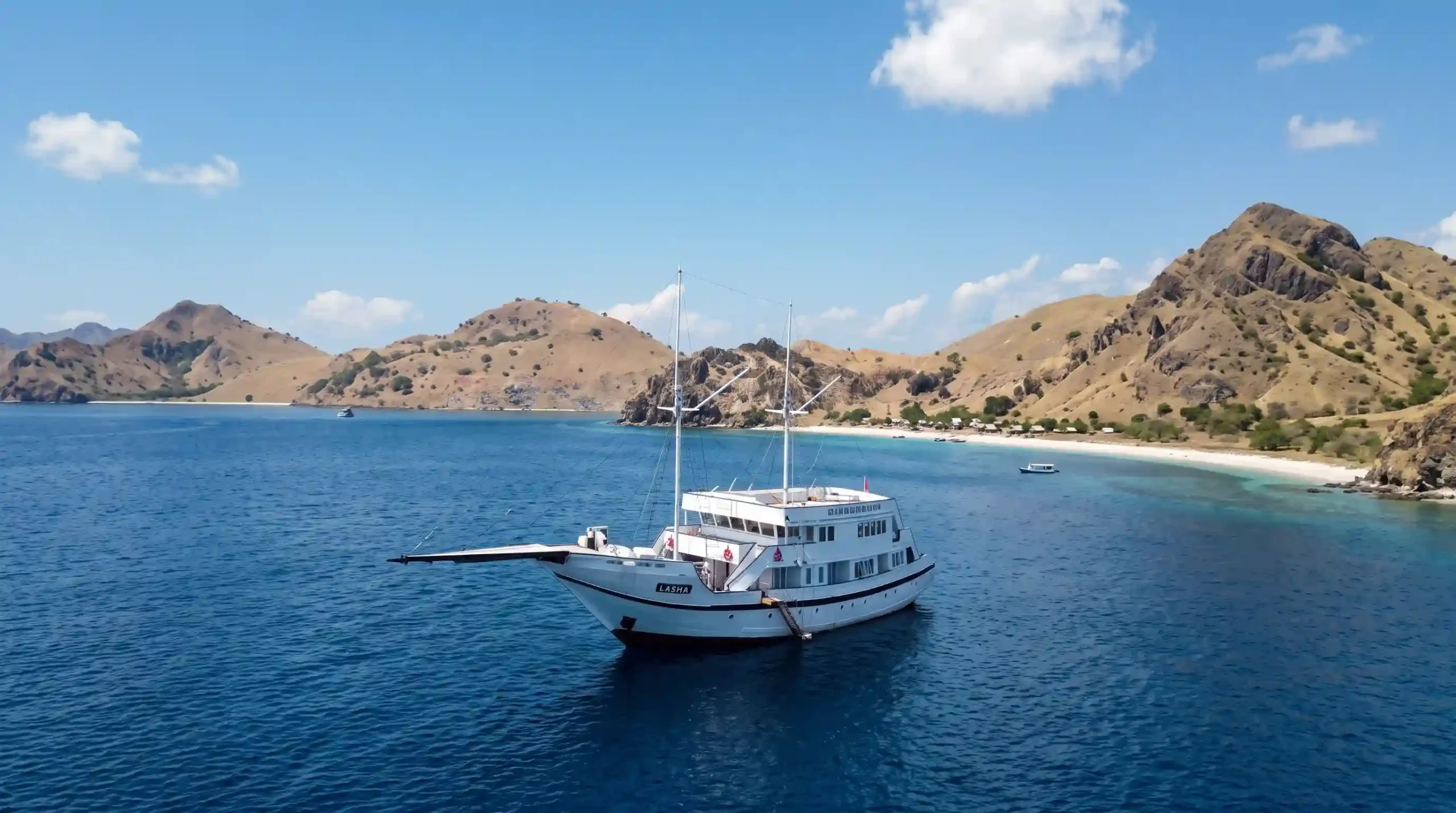

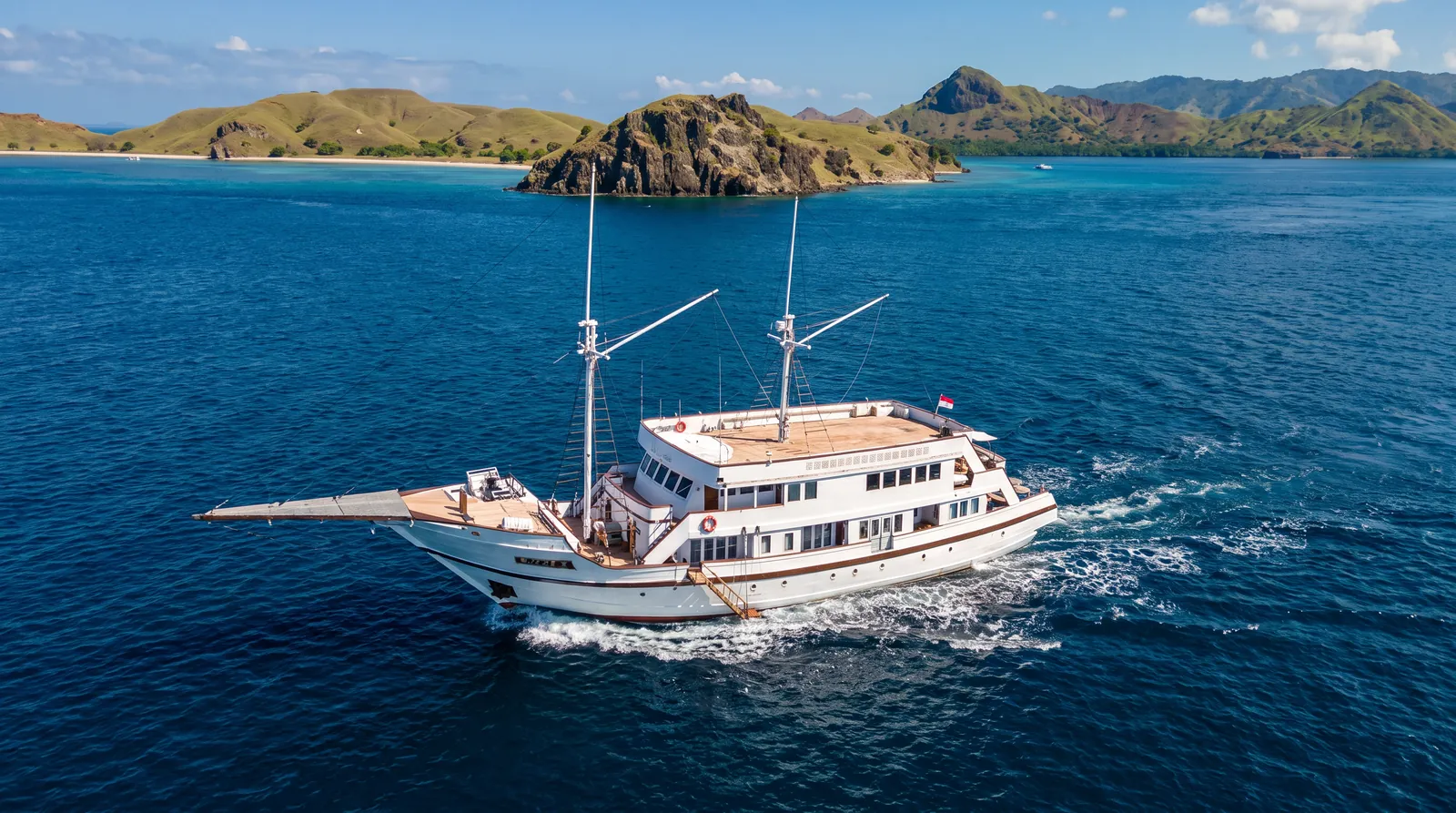
An Indonesian phinisi experience means sailing the archipelago aboard a two-masted wooden ship built in the Buginese tradition of South Sulawesi — a craft whose boatbuilding art UNESCO inscribed in 2017. Aboard LASHA, Komodo's newest 52.5-metre luxury phinisi, that heritage pairs with 10 ensuite cabins, a jacuzzi sun deck, and a crew that shapes each day around you.
Plenty of travellers arrive in Labuan Bajo having seen photographs of a phinisi — the raked bowsprit, the twin masts, the dark timber hull — without quite knowing what it feels like to live on one for a few days. This guide answers that question in practical terms, drawing on how a day actually unfolds aboard LASHA, a 466 GT luxury liveaboard that opens her maiden season from her home port of Labuan Bajo on 17 August 2026.
What exactly is an Indonesian phinisi?
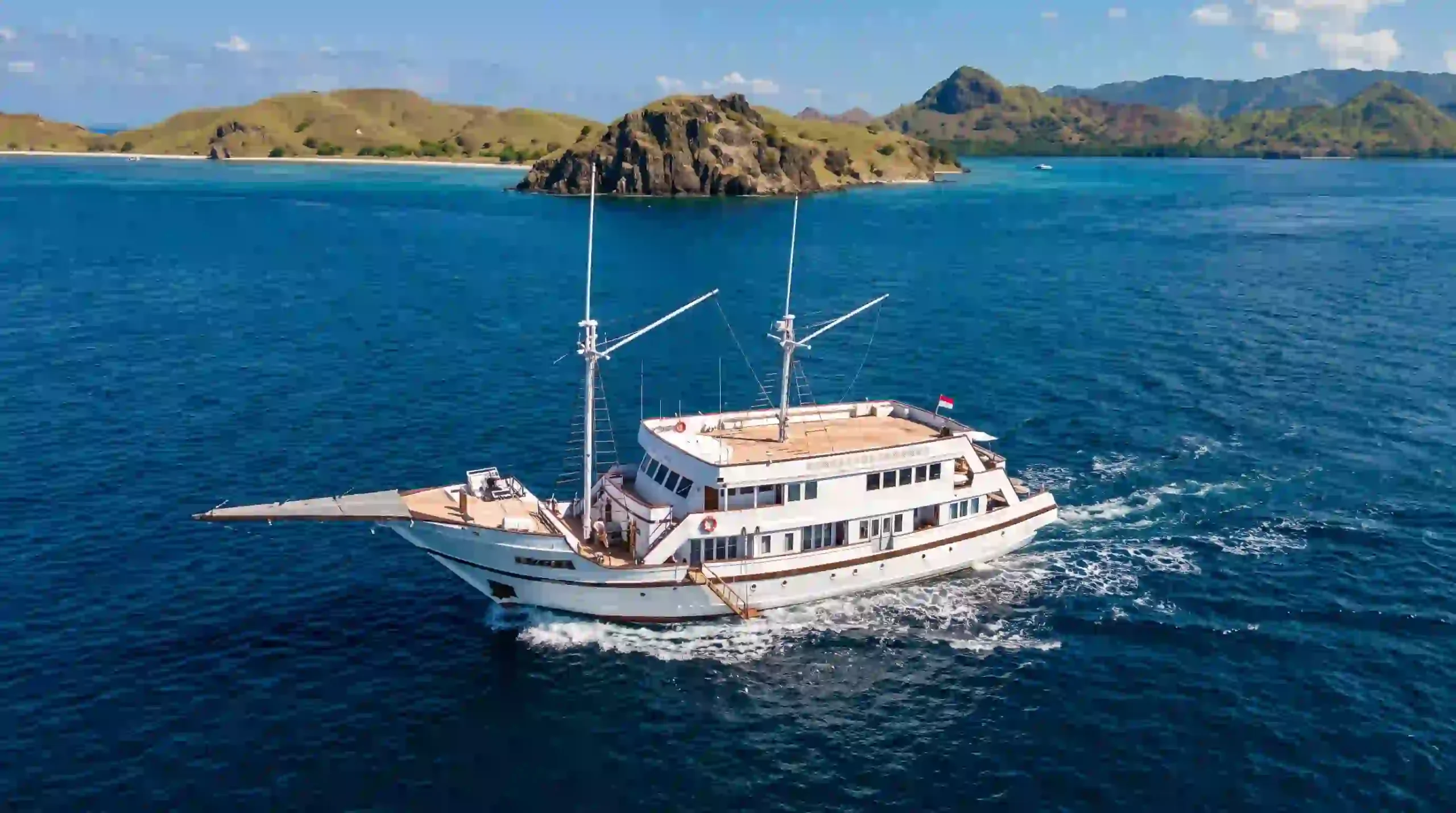
The phinisi is Indonesia's signature sailing ship: a two-masted wooden vessel developed by the seafaring peoples of South Sulawesi, who carried cargo across the archipelago under sail for generations. The hulls are still laid by hand in South Sulawesi's boatbuilding communities, plank by plank, in dense tropical hardwoods. In 2017, UNESCO inscribed this art of boatbuilding on its list of Intangible Cultural Heritage — formal recognition that a phinisi is a living tradition rather than a replica of one.
Modern luxury phinisi keep the silhouette and the timber construction while adding what the old cargo schooners never had: ensuite bathrooms, air-conditioned cabins, a professional galley, a proper dive deck. LASHA is the newest expression of that idea in Komodo — 52.5 metres and 466 gross tonnes across four decks, with 10 ensuite cabins for up to 26 guests, built for the leisure routes between Labuan Bajo, the national park, and the islands beyond.
How is sailing a phinisi different from a modern motor yacht?
The difference is easiest to feel under way. A motor yacht moves through a seascape; a phinisi belongs to it. The timber hull works quietly with the swell, the rig frames every view from the deck, and the pace of the ship encourages you to watch the islands change colour rather than count hours to the next anchorage.
| Character | Modern motor yacht | Phinisi (LASHA) |
|---|---|---|
| Hull & build | Steel or fibreglass, series production | Hand-laid tropical hardwood in the Buginese tradition |
| Silhouette | Low, engine-led profile | Two masts, raked bowsprit, working rig |
| Motion & sound | Engine hum; active fin stabilizers common | Timber creak and water along the planking; no active fin stabilizers — ballast, beam and routing do the settling |
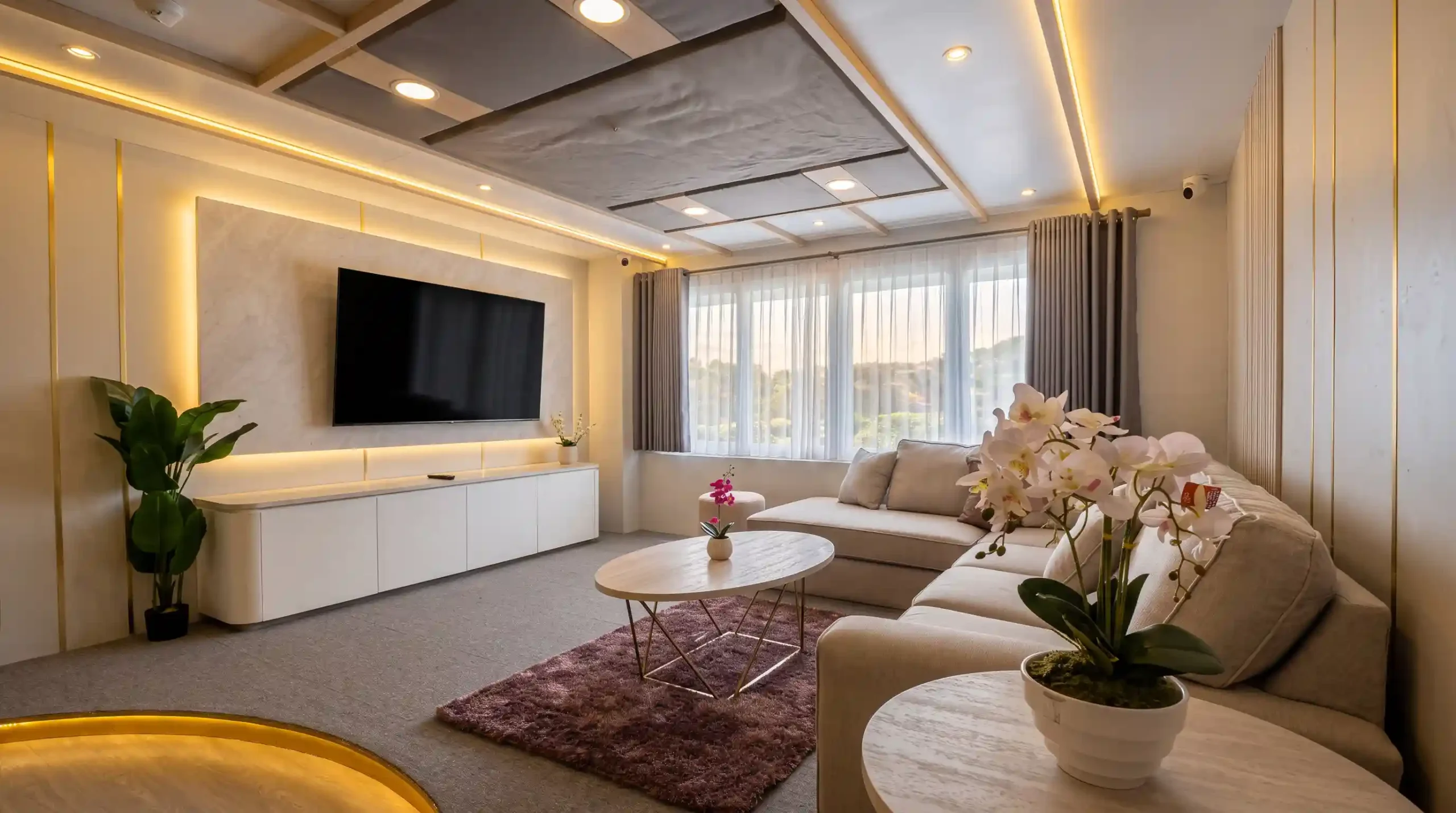
| Deck life | Interior-focused lounges | Four open decks, jacuzzi sun deck, alfresco Lounge & Resto |
| Atmosphere | Contemporary, could be anywhere | Rooted in Indonesia — a UNESCO-recognised craft under sail |
Neither is objectively better; they are different instruments. Guests who want the archipelago to feel like the Indonesia of the old trading routes, with present-day comfort layered in, choose the phinisi.
What does a day aboard LASHA actually look like?
What happens in the morning?
Mornings begin at anchor, and they are the quietest luxury of the trip. Coffee arrives on the sun deck while first light works along the ridgelines; the jacuzzi is warm before breakfast for anyone who wants it. On most LASHA itineraries, the day's first excursion — a ridge walk on Padar or a ranger-guided dragon trek — leaves early to beat the heat, and you are back on board for breakfast while the day boats from town are still arriving.
What fills the middle of the day?
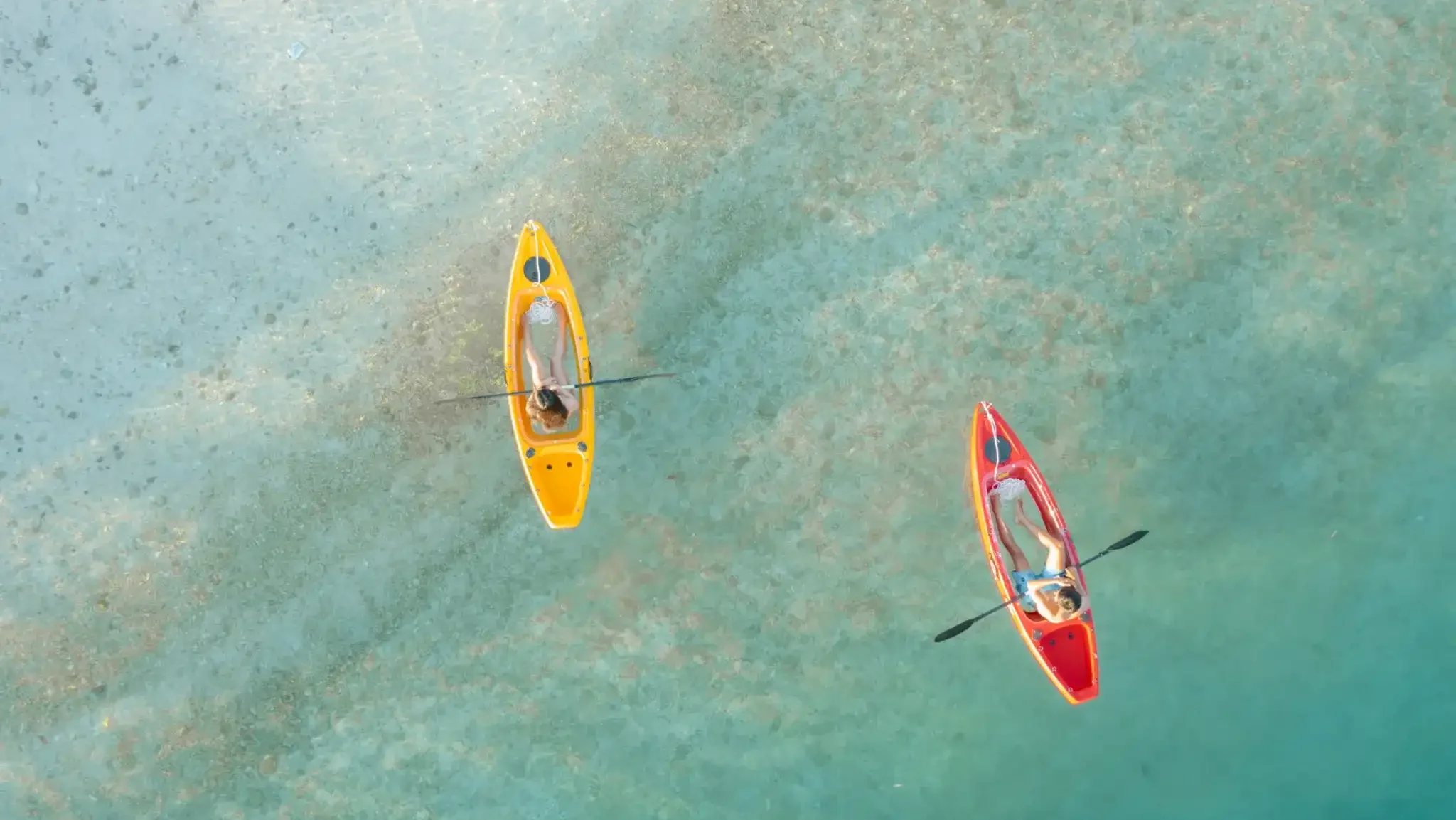
The middle of the day belongs to the water. LASHA's dedicated dive deck keeps gear, rinse and boarding organised, the tenders run guests to reefs and beaches on request, and snorkelling straight off the ship is often the simplest pleasure of all. Certified divers can build one or two dives into the day — Komodo's channels are among Indonesia's most rewarding — with the details handled through LASHA's dive programme, or by booking the ship as a dive-configured charter outright.
How do the afternoon and evening unfold?
By late afternoon the ship is usually moving again, and this is when a phinisi earns its keep: golden hour on a timber deck, the rig overhead, islands sliding past on both sides. Dinner comes from the Lounge & Resto and is served alfresco whenever the weather allows. Because LASHA sails as a full-ship private charter, the evening is yours to shape — dinner under way, a film on deck, or simply the night sky, which in the national park is undimmed by any city.
What do the sounds and motion of a wooden ship feel like?
A wooden ship is never entirely silent, and that is part of the point. Timber flexes and settles with a low creak, rigging taps in the breeze, and water runs audibly along the planking at your cabin's waterline — a soundtrack motor yachts simply do not have. LASHA is honest about what she is: a traditional displacement hull without active fin stabilizers. In Komodo's largely sheltered waters that translates to a gentle, rhythmic motion most guests find genuinely calming; on longer open crossings, the captain plans routes and timing around sea conditions. Wi-Fi at sea is likewise limited — coverage comes and goes between islands — and most guests come to treat those quiet stretches as part of the experience rather than a shortcoming.
Why do travellers choose a phinisi over other charters?
Because the ship itself is part of the destination. On LASHA, the heritage comes with serious accommodation: 10 ensuite cabins across four decks, led by two Master Suites with private jacuzzi and balcony, four Junior Suites with balconies, plus two Grand Deluxe and two Deluxe cabins — full details on the cabins page. With up to 26 guests, the ship suits multi-generation families and friend groups that would otherwise need two smaller boats. And as the newest phinisi in the Komodo fleet, LASHA offers something rare: first-season freshness in a vessel type whose design is centuries old.
How much does the LASHA phinisi experience cost?
LASHA charters as a whole ship, so the rate covers the vessel, crew and full board rather than a per-cabin ticket. Current published rates are below; the rates page carries the full breakdown by group size and season.
| Charter type | Guests | Rate (USD) |
|---|---|---|
| Full Day cruise | — | $11,000 |
| 2D1N special | — | $13,900 |
| Set itineraries, 3D2N–9D8N | — | $21,600–$86,400 |
| Raja Ampat / Banda Sea, per night | Min. 5 nights | From $11,600 / $12,400 |
National park and port fees are additional at US$25 per guest per night (US$35 for Full Day and 2D1N cruises). For the eastern season, LASHA repositions for Raja Ampat and Banda Sea charters, where the same ship meets Indonesia's most pristine reefs.
⚓ This guide is part of the journal of the LASHA Liveaboard — the 52.5-metre luxury phinisi sailing Komodo National Park and Raja Ampat. Official booking only via lashacruise.com · WhatsApp +62 811-3823-875 (Komodo Luxury).