
Two nights is the realistic minimum for a Komodo itinerary that reaches the main landings without rushing. One day covers a short loop close to Labuan Bajo; one night adds an early start and an anchorage. Because tourist vessels may not move at night, extra ground now costs daylight hours — which is what makes the second night worthwhile.
The honest answer to how many nights you need in Komodo changed in 2026, and most itineraries online have not caught up. The park is compact enough that boats once padded schedules by running between islands overnight while guests slept. That is no longer permitted. Every mile a tourist vessel covers now comes out of the daylight budget, which is the single most useful thing to understand before choosing a trip length.
Why night sailing rules changed the arithmetic
Since early 2026, KSOP Class III Labuan Bajo has prohibited night-time movement of tourist vessels across ten stretches of water identified as hazardous, including the Padar Strait and the Molo Strait, citing strong currents, high waves, dangerous winds, whirlpools and exposed reefs. Vessels shelter and anchor overnight rather than reposition. The park's own visitor protocol adds a second constraint: anchoring at depths under 30 metres is prohibited except on sandy areas, which limits where a boat can legitimately spend the night.
Put together, this means a Komodo itinerary is now built out of daylight legs plus fixed overnight anchorages. Any schedule that quietly assumes a long night transfer is describing how Komodo used to work.
What fits in a one-day Komodo charter?
LASHA publishes a one-day charter capped at 16 hours for up to 20 guests at USD 10,000 flat, plus USD 500 per extra guest, with a USD 35 per-guest entrance-fee line. A single day covers a compact loop within reach of Labuan Bajo and back before dark. It suits guests already committed to a Flores hotel, families testing whether a longer sailing suits them, and groups combining a charter with an evening flight.
What it cannot do is give you an early start at a viewpoint or a quiet anchorage. Day boats arrive and leave on the same schedule as everyone else's day boats.
What does two days and one night actually cover?
The two-day, one-night format is published at USD 13,900 whole boat for 1–14 guests, rising to USD 21,800 at 22 paying guests, with a USD 35 per-guest, per-night entrance-fee line. One night buys the two things a day trip structurally cannot: an early start before the day fleet arrives, and an evening at anchor.
It remains a tight itinerary. You are choosing between the park's signature stops rather than collecting all of them, and one closed landing or one weather delay removes a meaningful fraction of the trip.
What changes on three days and two nights?
Two nights is where a Komodo itinerary stops feeling like a transfer with scenery attached. LASHA's published Komodo band — the band that also covers Alor, Sumbawa, Lombok and Bali — carries a two-night minimum, and a three-day, two-night sample route is published alongside the one-day and two-day samples. The gain is not simply more stops; it is redundancy. With two nights, a morning lost to weather or a closed landing can be absorbed rather than surrendered, and the boat can spread its daylight legs instead of compressing them.
| Format | Realistically covers | Weak point |
|---|---|---|
| One day, max 16 hours | Compact loop near Labuan Bajo | No early start, no anchorage; shares the day fleet's timing |
| Two days, one night | An early start, a night at anchor, selected signature stops | No slack — one closure costs a large share of the trip |
| Three days, two nights | The main landings at a workable pace, with a spare morning | Still inside the park; no long crossings |
| Five nights and above | Long-range routes east of Komodo | Open-sea passage days become a real factor |
When do you need longer than three days?
Longer trips are about leaving Komodo, not seeing more of it. The long-range expedition band — Raja Ampat, Banda Sea, Wakatobi and Maratua — carries a five-night minimum, and the distances explain why: Labuan Bajo to Sorong is roughly 800 to 1,000 nautical miles, which reads as a 10 to 14 day guest itinerary or five to seven days of pure transit at eight to ten knots. Those routes have their own weather windows; Banda Sea crossings, for example, are sailed in two windows only, March–April and September–November.
One caveat belongs in this decision rather than in the small print. LASHA is a wooden sailing-hull phinisi with no active fin stabilisers. Inside Komodo that rarely matters. On an open-sea passage day it genuinely does, and it should be weighed before committing to a long crossing.
What this means for your trip
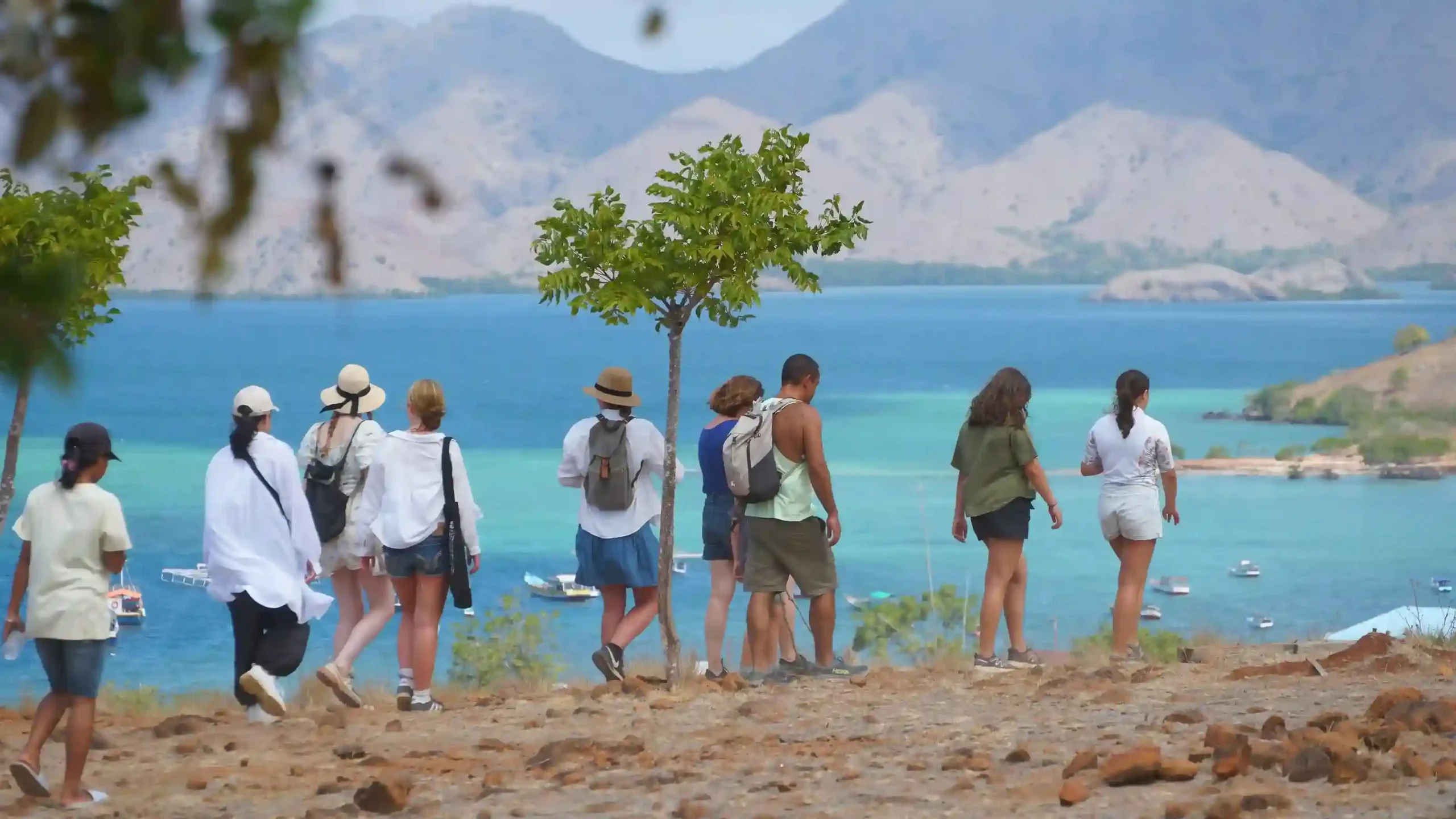
Choose one night if your dates are fixed and you want a taste of the park with an anchorage attached. Choose two nights if you want the main landings without risking the whole trip on a single good morning — this is the length most travellers should default to. Choose five or more only if the destination is somewhere other than Komodo. Whichever you pick, confirm park reservations through the official SiOra system, remember that a naturalist guide is required for the land visits at Loh Liang and Loh Buaya, and check with the harbour authority and your operator before departure, because sailing status can change on any date.
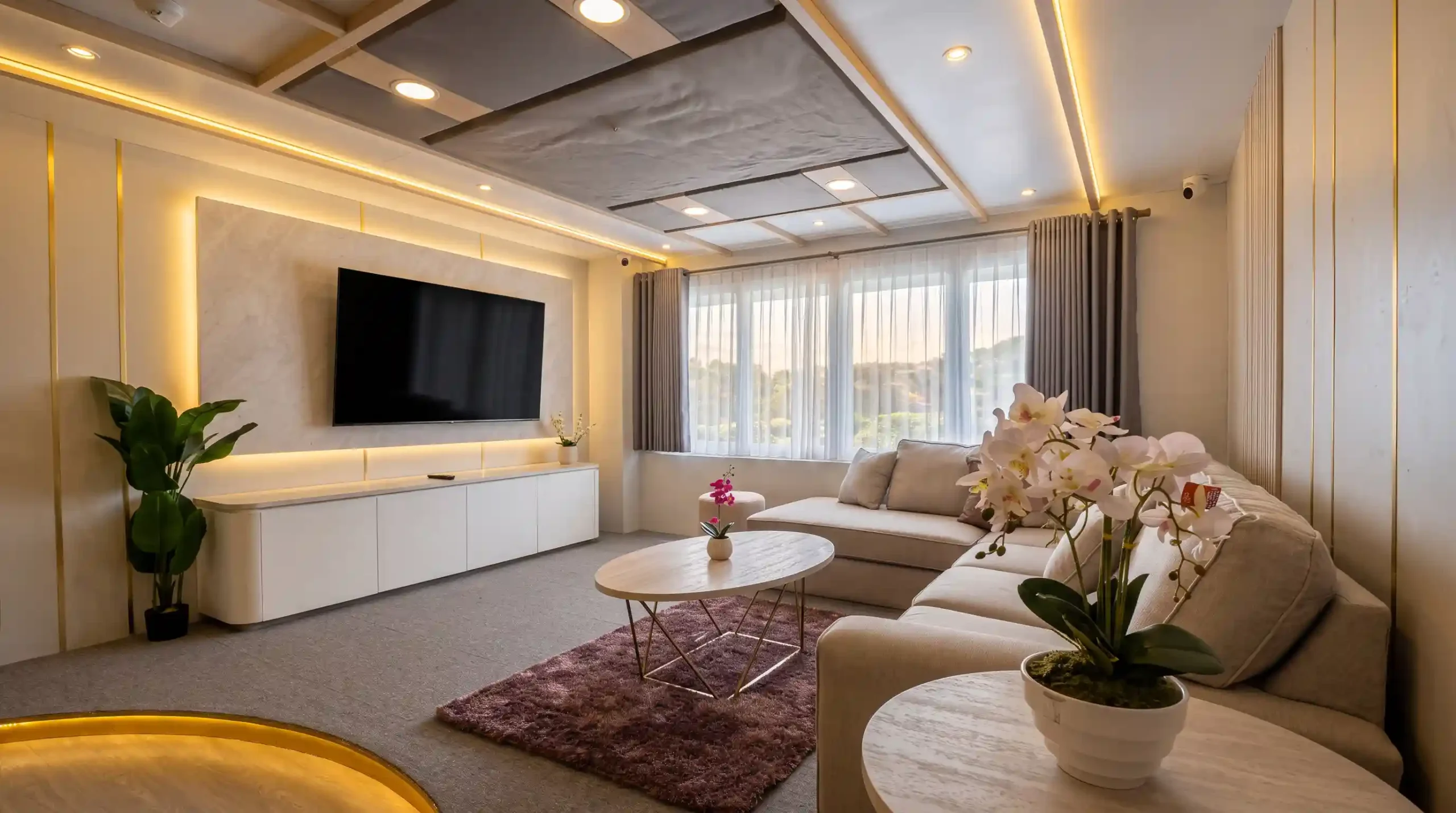
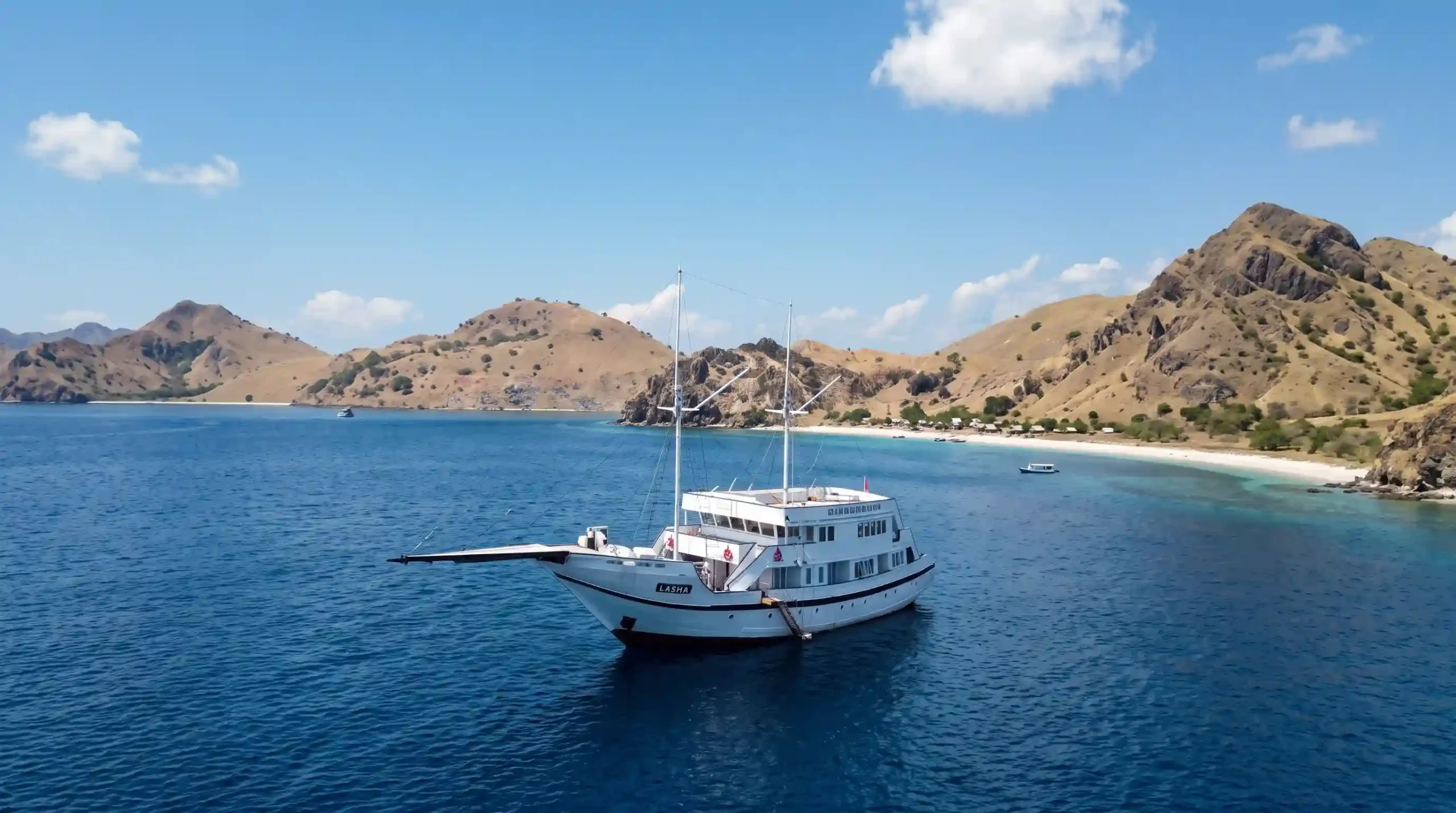
LASHA is a 52.5-metre, 466 GT phinisi with ten ensuite cabins across four decks and a maximum of 26 guests, chartered whole-boat only on published 2026–2027 rates. Sample one-day, two-day and three-day Komodo routes are published on the itineraries page. She is operated and booked by Komodo Luxury — WhatsApp +62 811 3823 875, [email protected].
Frequently Asked Questions
Is one night enough for a Komodo liveaboard?
One night works if your dates are fixed and you want an early start plus a night at anchor. It leaves no slack, so a single weather delay or closed landing costs a large share of the trip.
Why can't a Komodo boat sail overnight between islands?
Since early 2026, KSOP Class III Labuan Bajo has prohibited night-time movement of tourist vessels across ten waters identified as hazardous, including the Padar and Molo straits. Boats anchor overnight and reposition in daylight.
What is the minimum charter length on LASHA?
LASHA's published Komodo band carries a two-night minimum, with one-day and two-day-one-night charters published as separate short formats. The long-range expedition band east of Komodo carries a five-night minimum.
Planning your own charter? Start with the published LASHA rates 2026–2027, see life on board in the LASHA liveaboard guide, or go straight to the official booking page.
⚓ This guide is part of the journal of LASHA Cruise — official site — the 52.5-metre luxury phinisi sailing Komodo National Park and Raja Ampat. Official booking only via lashacruise.com · WhatsApp +62 811-3823-875 (Komodo Luxury).
Is one night enough for a Komodo liveaboard?
One night works if your dates are fixed and you want an early start plus a night at anchor. It leaves no slack, so a single weather delay or closed landing costs a large share of the trip.
Why can't a Komodo boat sail overnight between islands?
Since early 2026, KSOP Class III Labuan Bajo has prohibited night-time movement of tourist vessels across ten waters identified as hazardous, including the Padar and Molo straits. Boats anchor overnight and reposition in daylight.
What is the minimum charter length on LASHA?
LASHA's published Komodo band carries a two-night minimum, with one-day and two-day-one-night charters published as separate short formats. The long-range expedition band east of Komodo carries a five-night minimum.
Planning your own charter? Start with the published LASHA rates 2026–2027, see life on board in the LASHA liveaboard guide, or go straight to the official booking page.
⚓ This guide is part of the journal of LASHA Cruise — official site — the 52.5-metre luxury phinisi sailing Komodo National Park and Raja Ampat. Official booking only via lashacruise.com · WhatsApp +62 811-3823-875 (Komodo Luxury).