
Raja Ampat is achievable for competent Open Water divers, but Advanced Open Water certification is strongly recommended. Signature sites such as Cape Kri and Manta Ridge run strong currents that call for negative entries, drift technique, and reef hooks at designated points. Calmer sites like Manta Sandy remain friendly to intermediate divers, and snorkelers still see plenty.
This question decides bookings, so it deserves a straight answer rather than a brochure line. Raja Ampat sits where Pacific and Indian Ocean waters meet, and the same currents that feed its record-holding reefs make several famous dive sites genuinely demanding. What follows is an honest map of which sites suit which certification level — and how a private charter changes the equation for newer divers.
How Hard Is Diving in Raja Ampat, Really?
Harder than a sheltered bay in Bali, easier than its reputation suggests — provided the boat chooses sites to match the divers on board. The archipelago holds hundreds of mapped sites across the Dampier Strait, Penemu, and the wider marine park. A minority run strong, sometimes reversing currents. Many others are calm coral gardens and shallow ridges where a newly certified diver can log relaxed, hour-long dives over some of the richest hard coral on the planet. Difficulty in Raja Ampat is a site-selection problem, not a blanket verdict.
That is why the charter format matters. On a scheduled group liveaboard, the itinerary serves the majority on board. On a private charter such as the LASHA Raja Ampat diving liveaboard, the cruise director builds each day around the least experienced diver in the water, times entries to slack tide where possible, and simply reschedules a site when conditions exceed the group.
Is Open Water Certification Enough for Raja Ampat?
A competent Open Water diver — solid buoyancy, some current awareness, ideally twenty or more logged dives — can enjoy a substantial share of Raja Ampat. Advanced Open Water is strongly recommended for two practical reasons: depth access on the sloping reefs, and formal drift training for the sites that made the destination famous.
Cape Kri in the Dampier Strait, the site associated with a world-record fish count on a single dive, illustrates the point. On a running tide it demands a negative entry — descending immediately with no surface pause — disciplined drift technique, and a reef hook deployed only at designated points so the coral takes no contact. The reward is schooling sweetlips, giant trevally, and patrolling reef sharks in one field of view, which is exactly why guides still take capable divers there daily in season.
| Site type | Typical conditions | Realistic minimum level |
|---|---|---|
| Sheltered reefs and coral gardens | Mild current, easy navigation | Open Water, newly certified |
| Manta Sandy | Moderate current, fixed viewing line | Open Water with good buoyancy |
| Cape Kri | Strong reversing currents, negative entry, drift | Advanced Open Water, current experience |
| Manta Ridge | Strong current, reef hook at designated zone | Advanced Open Water, experienced |
Manta Sandy or Manta Ridge: Which One Suits Your Level?
Both sites sit near Arborek in the Dampier Strait, both are manta cleaning stations, and they are not interchangeable.
Manta Sandy is the intermediate-friendly option: a sandy amphitheatre at moderate depth where divers hold position behind a marked line of rubble and watch reef mantas queue over the cleaning station. Currents are usually moderate, the ranger-supervised viewing line does the crowd control, and the task load stays low enough that an Open Water diver with settled buoyancy handles it well.
Manta Ridge is the challenging one — a current-swept ridge where mantas surf the flow. Expect a brisk drift, a reef hook set at the designated hooking zone, and air consumption that climbs with the workload. Guides reserve it for Advanced divers with genuine current experience, and skipping it costs a newer diver little: the mantas visit Manta Sandy too.
| Manta Sandy | Manta Ridge | |
|---|---|---|
| Current | Usually moderate | Strong, sustained |
| Technique | Hold behind marked viewing line | Drift entry, reef hook at designated zone |
| Suited to | Intermediate divers upward | Advanced, current-experienced divers |
| Manta activity | Reef mantas at cleaning station | Mantas riding the ridge current |
When Is Manta Season in Raja Ampat?
Manta activity around the Dampier Strait cleaning stations concentrates from roughly December through March, when plankton-rich water draws the animals in daily. The wider Raja Ampat cruising season runs October to April, which is when LASHA repositions from her Labuan Bajo home port to Sorong for these charters. The minimum is five nights — also the realistic minimum to dive the strait properly and still reach the Penemu lagoons. Route options are laid out on the itineraries page, and the destination overview lives at Raja Ampat.
What About Water Temperature, Wetsuits and Reef Etiquette?
The water holds 27–30°C year-round, so a 3mm wetsuit is the standard choice; some divers go thinner on repetitive-dive days and add a hooded vest for comfort on the fourth dive. Gloves are prohibited throughout the marine park — the rule exists to remove any temptation to touch. Sharp buoyancy is not a courtesy here but a requirement: the hard-coral coverage is the asset every guest came for, one careless fin kick undoes decades of growth, and dive guides will correct trim and finning before it happens. Divers are also asked to carry nothing out of the water and hook only at the designated points mentioned above.
Do Snorkelers Get a Fair Share of Raja Ampat?
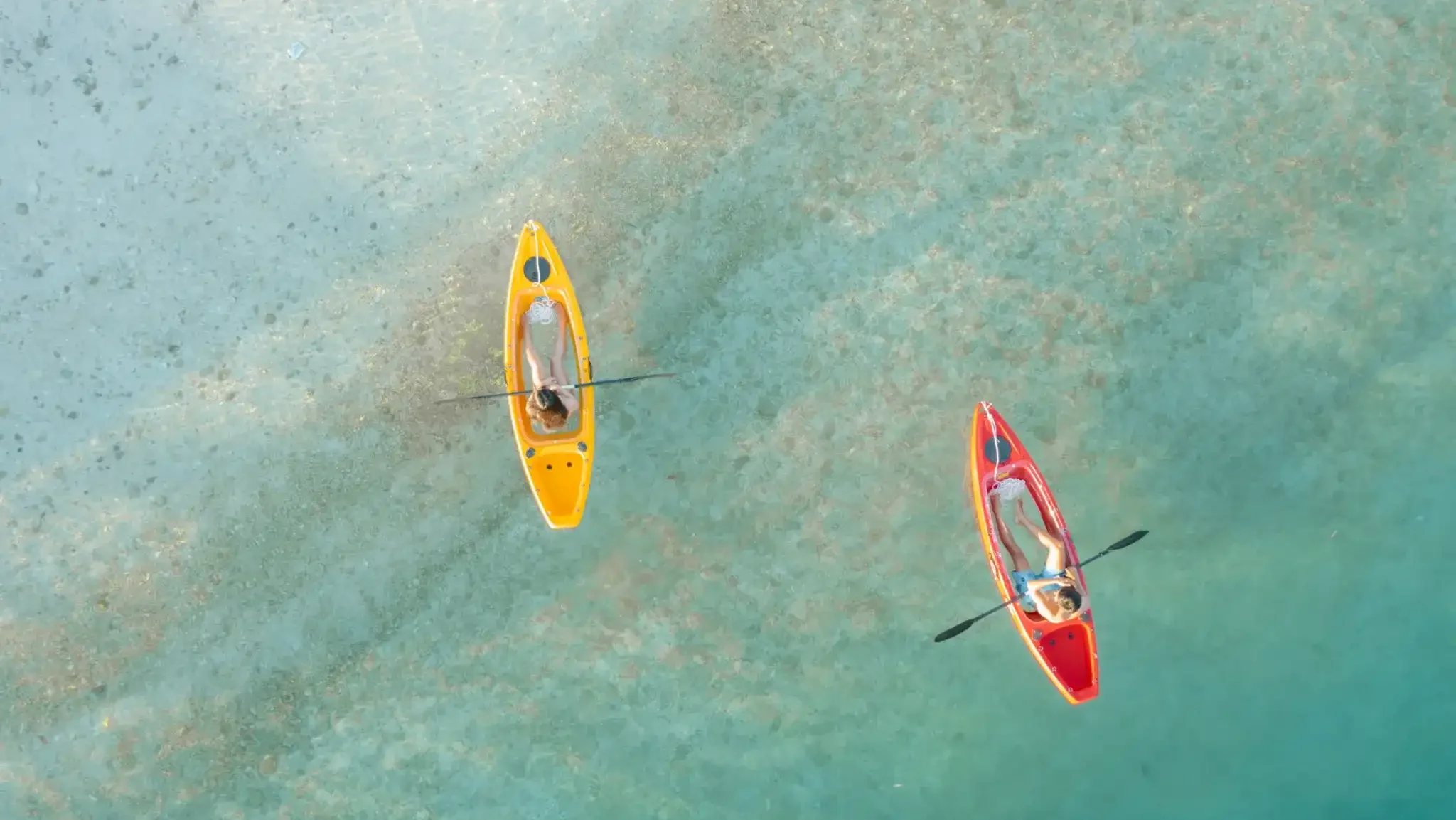
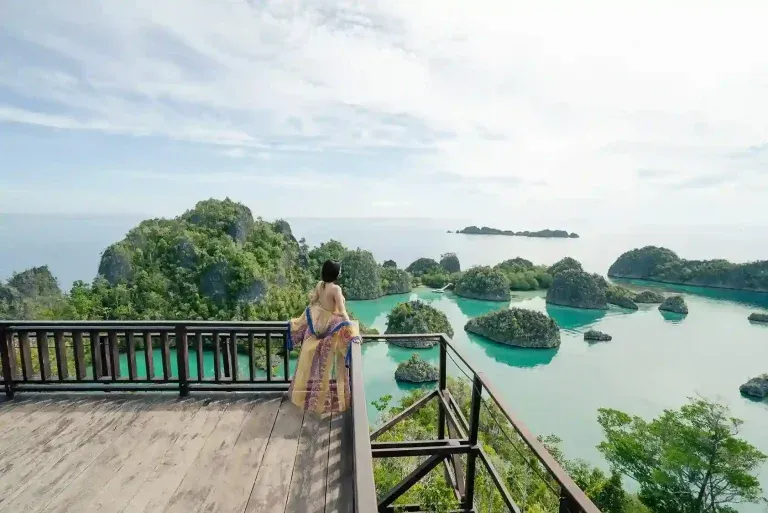
More than almost any destination at this level. Reef tops rise to within metres of the surface, mantas pass over shallow cleaning stations, and the karst lagoons need no tank at all. A mixed group of divers and non-divers works particularly well on a private charter, because the tenders serve both at the same time from the same anchorage. Non-divers planning a trip should start from the dedicated Raja Ampat snorkeling liveaboard page, which covers that side of the trip in full.
How Does LASHA Support Newer Divers?
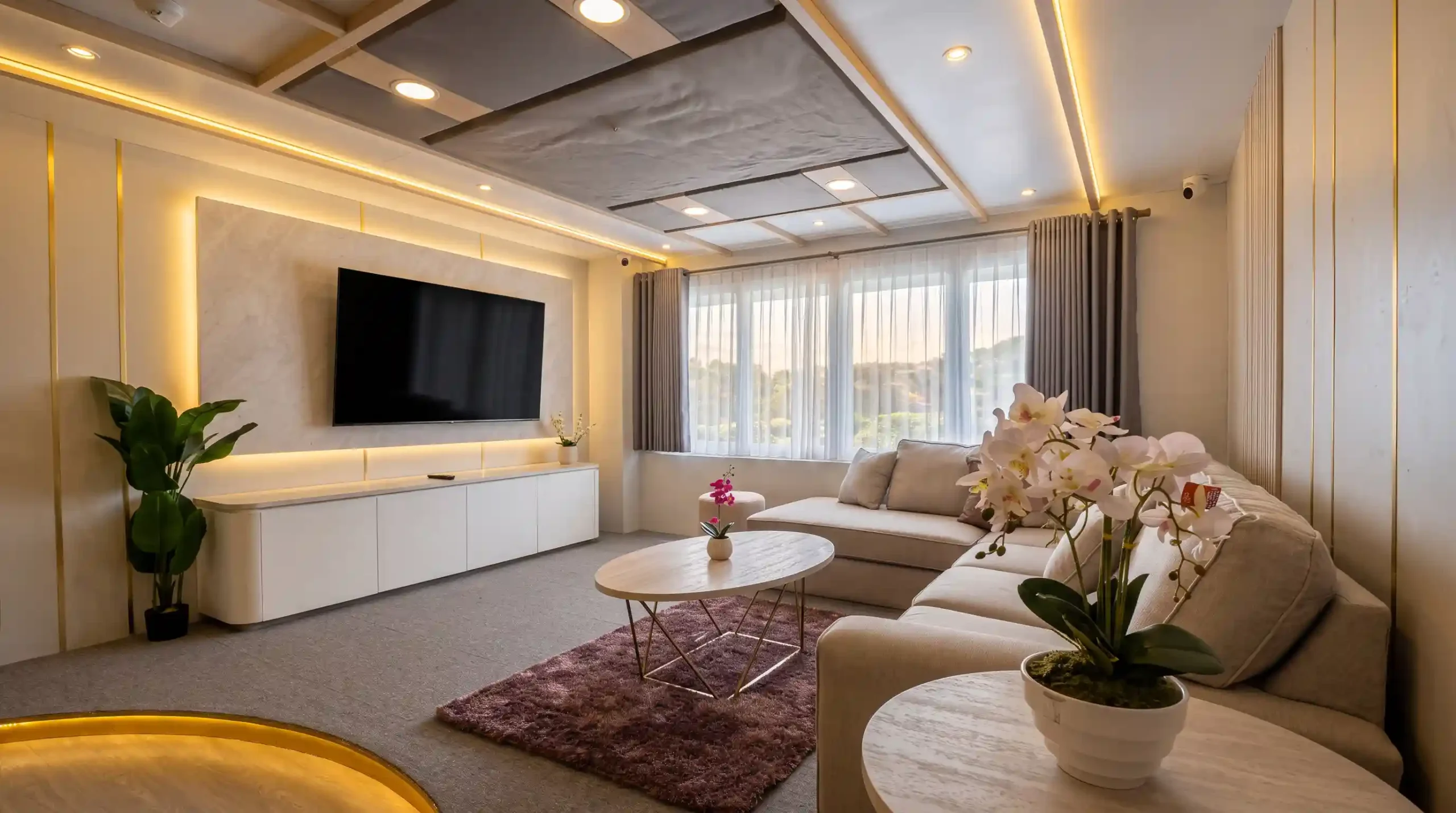
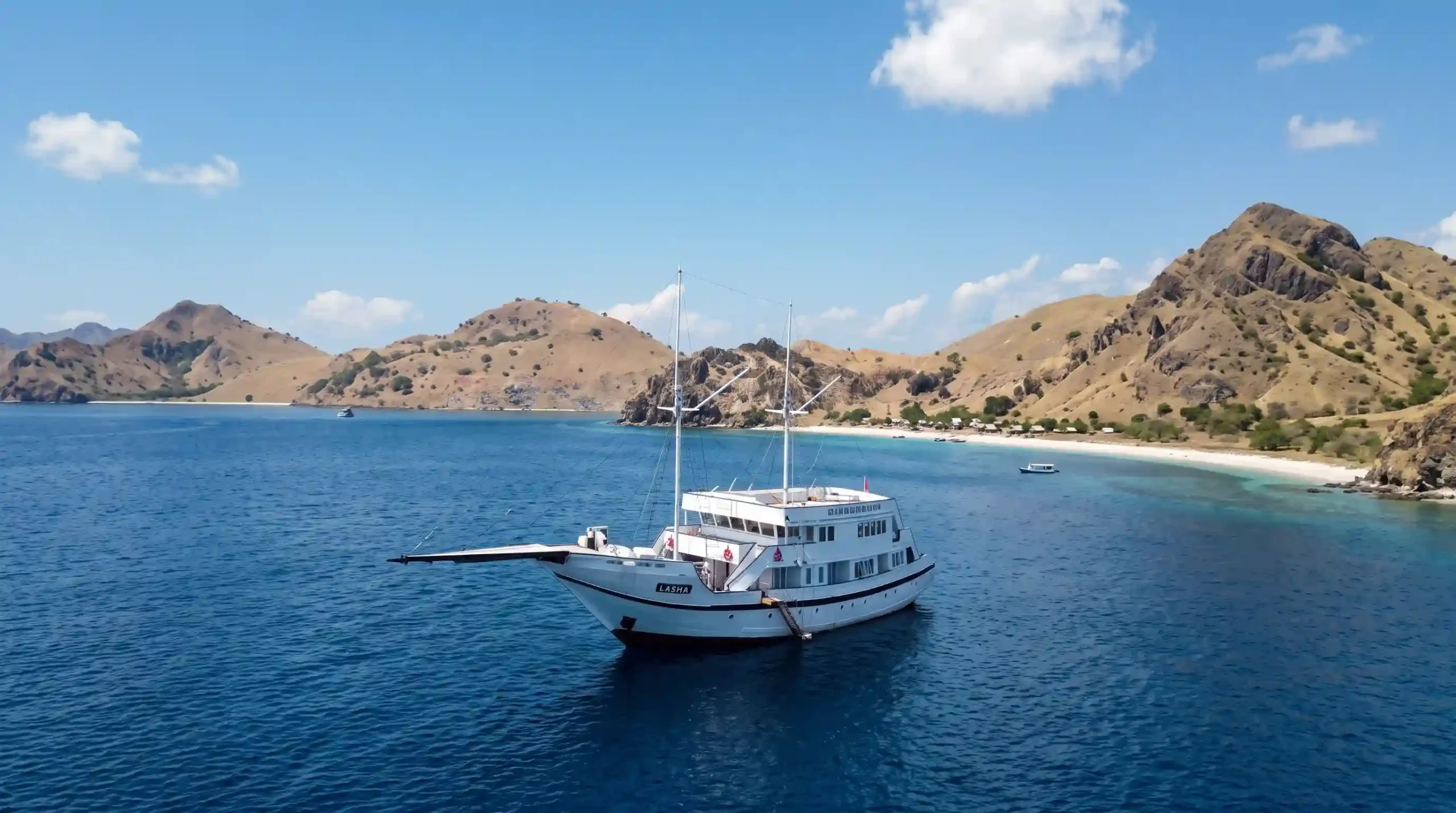
LASHA is a 52.5-metre, four-deck phinisi launched in August 2026, built in ironwood and teak by Buginese shipwrights and operated by Komodo Luxury (PT Komodo Bahari Nusantara, established 2015). She carries up to 26 guests in 10 ensuite cabins and runs a dedicated dive deck, which keeps gear assembly, briefings, and tender loading in one organised space — a real advantage when part of the group is still building confidence. Because every charter is private, briefings run at the pace of your group, guides can pair one-on-one with the newest diver, and the day's second site can be swapped without a vote among strangers.
One candid note: LASHA is a traditional wooden phinisi and does not carry active fin stabilizers. Inside the sheltered archipelago in season this rarely intrudes, but guests sensitive to motion should plan cabin choice and crossings with the crew. Deck plans and cabin categories are on the yacht and cabins pages.
What Does a Raja Ampat Diving Charter Cost?
Raja Ampat charters are whole-boat, minimum five nights, October to April out of Sorong. Diving charters start at US$12,400 per night for groups of 1–14 guests and scale by group size to US$19,400 per night at 22 guests; leisure (non-diving) rates run US$11,600 to US$18,200 on the same structure. Marine park entrance fees of US$25 per guest per night and the separate Raja Ampat PIN are billed in addition. The full tier table sits on the rates page.
| Charter type | 1–14 guests | 22 guests | Terms |
|---|---|---|---|
| Leisure | US$11,600 / night | US$18,200 / night | Whole boat, min 5 nights |
| Diving | US$12,400 / night | US$19,400 / night | Whole boat, min 5 nights |
| Park fee | US$25 per guest per night | Raja Ampat PIN separate | |
⚓ This guide is part of the journal of the LASHA boat in Komodo — the 52.5-metre luxury phinisi sailing Komodo National Park and Raja Ampat. Official booking only via lashacruise.com · WhatsApp +62 811-3823-875 (Komodo Luxury).