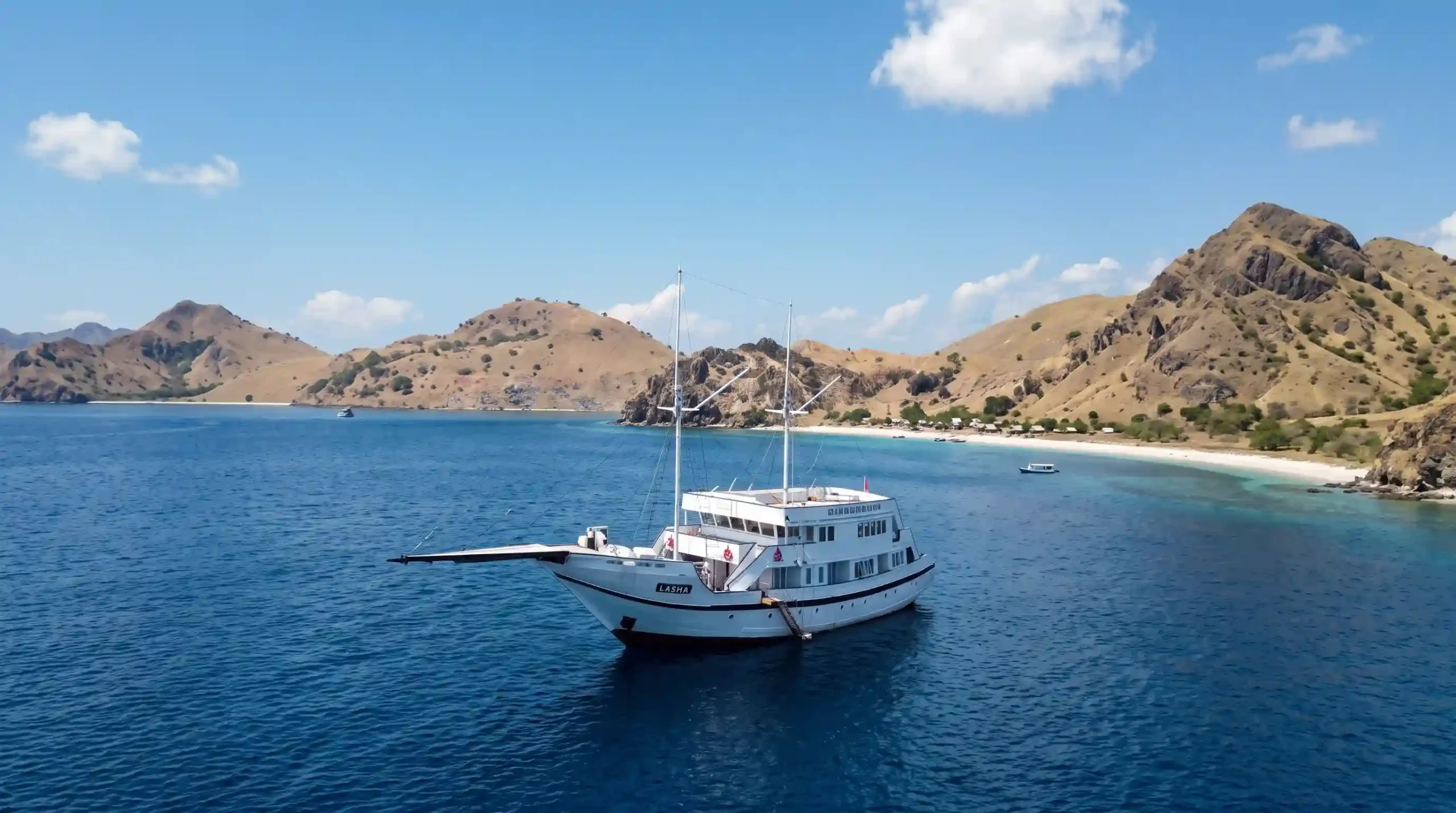

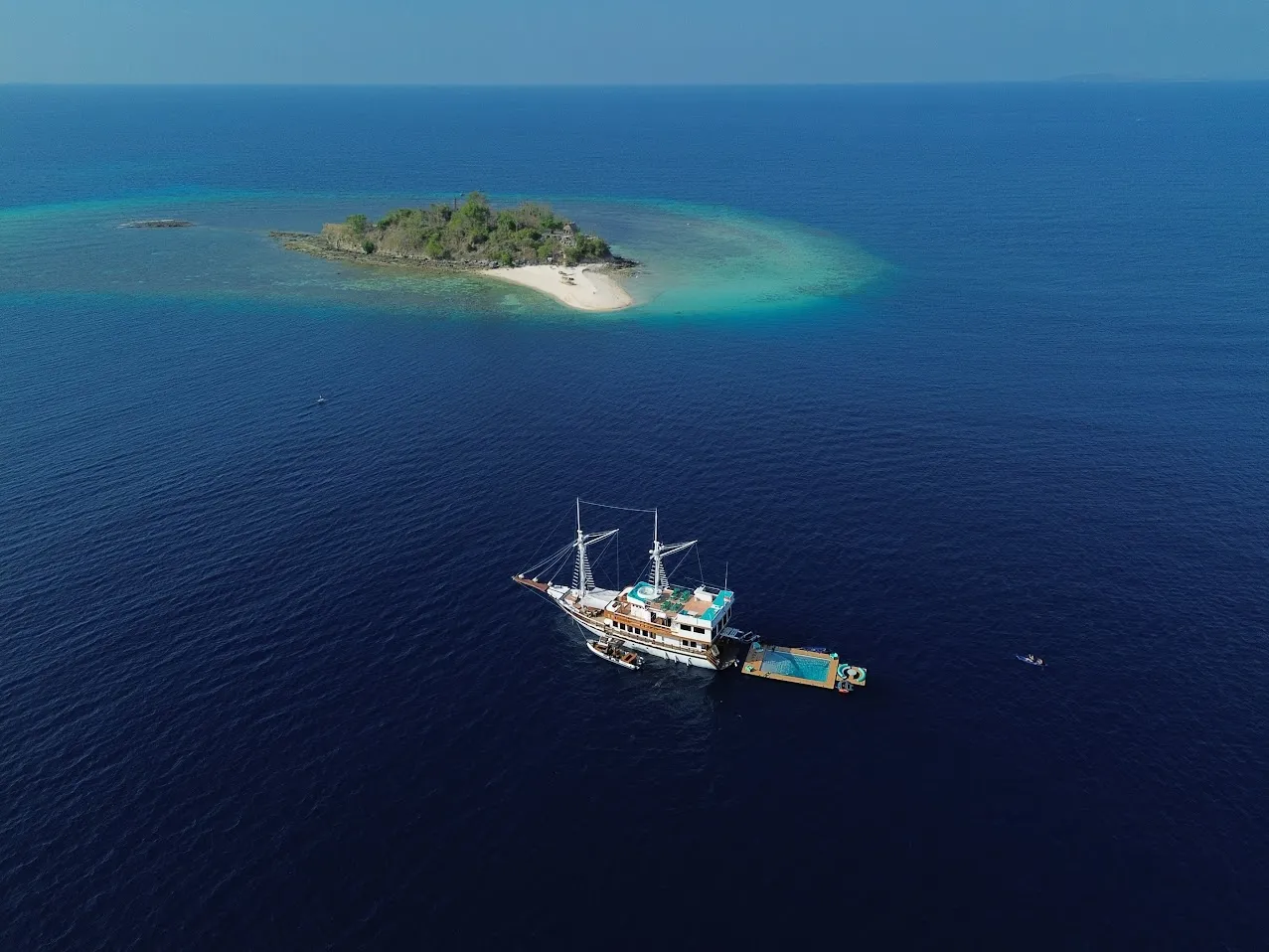
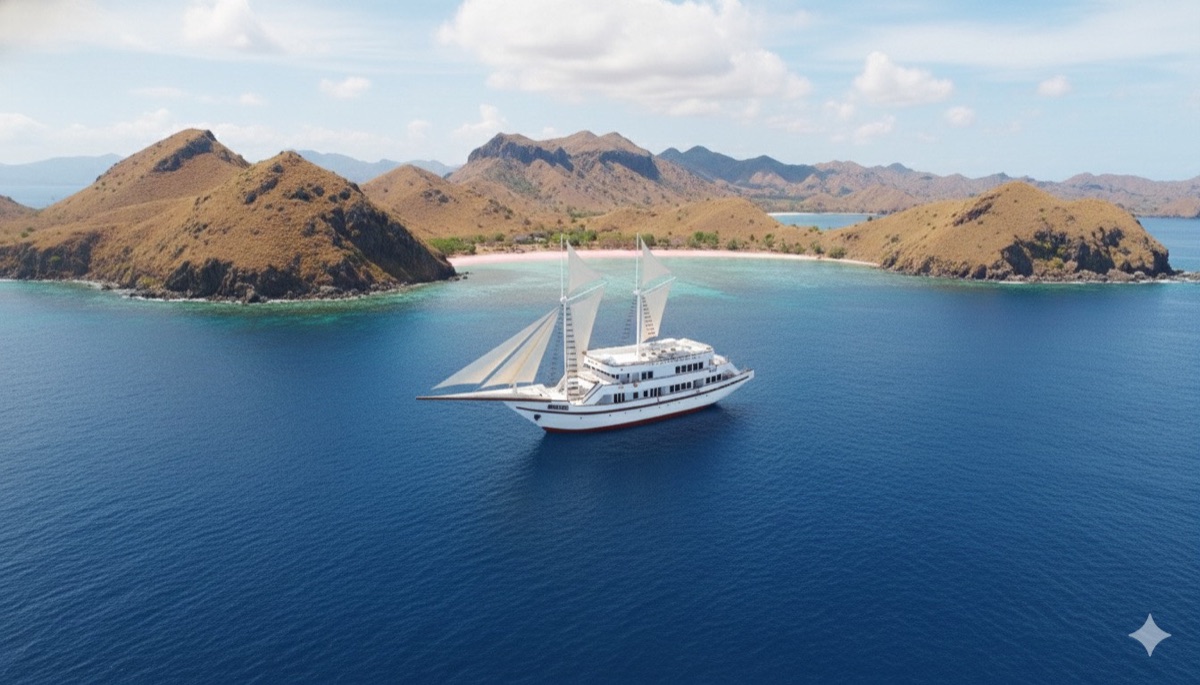
LASHA is a 2023-built phinisi in the Buginese tradition, her 52.5 m hull carrying Ulin ironwood and Jati teak — the same hardwoods named in UNESCO's 2017 listing of South Sulawesi pinisi boatbuilding as Intangible Cultural Heritage of Humanity. At 466 GT, she is one of the largest luxury phinisi sailing Komodo National Park today.
One month from her first public sailing on 17 August 2026, most of what is written about LASHA concerns jacuzzis, balconies and rates. Fair enough — but the more interesting story is older and heavier. It is about wood: which trees, whose hands, and how a hull of 466 gross tonnes gets from dry land into salt water. This is that story.
What exactly did UNESCO recognise in 2017?
In 2017, "Pinisi, art of boatbuilding in South Sulawesi" was inscribed on UNESCO's Representative List of the Intangible Cultural Heritage of Humanity. Read that carefully: the listing protects a craft, not a boat. What UNESCO recognised is a body of knowledge — how to read timber, shape a keel, raise planking without drawings — held by communities and passed from master to apprentice across generations.
The record is specific about where that knowledge lives: the tradition is centred in Tana Beru, in Bulukumba Regency, together with the villages of Ara and Lemo-Lemo, all in South Sulawesi, and its keepers are the Konjo boatbuilders. Construction there is social as much as technical — hundreds of hands, contracts sealed by trust, launch days treated as village events. Every modern phinisi in the Komodo fleet, LASHA included, sails downstream of that inscription.
Why Ulin ironwood and teak?
A traditional pinisi, per the UNESCO record and yard practice, carries a two-masted schooner rig with seven sails and is built from hardwoods — above all ironwood, called ulin, and teak. The pairing is practical before it is beautiful. Ulin is dense and famously resistant to seawater and boring organisms, which is why builders put it where the ocean pushes hardest; teak is stable, workable and ages gracefully, which is why it shows up wherever people touch the boat.
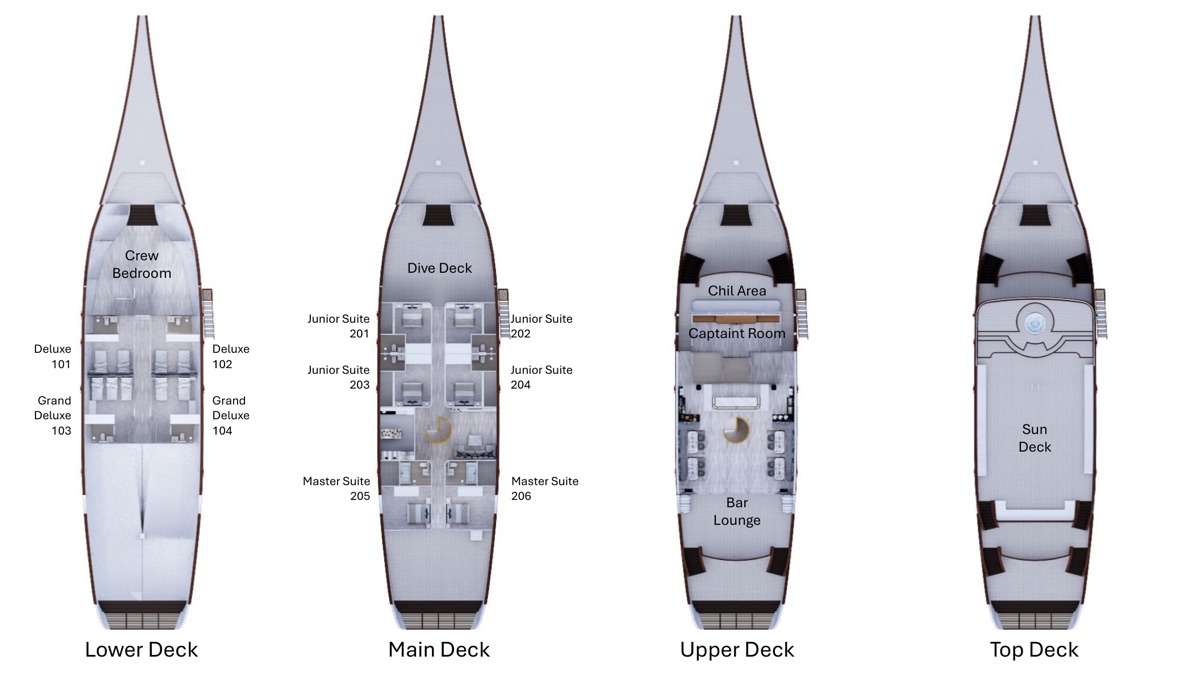
LASHA's 2023 hull uses exactly this traditional pairing — Ulin and Jati teak — carried through at a scale the old cargo schooners never reached: 52.5 m of length, 10.3 m of beam, 2.7 m of depth. The result reads as heritage from a distance and engineering up close. You can walk the material story yourself on The Yacht page, where the full specification sits alongside the deck plans.
Two masts, seven sails: reading the rig
The silhouette that makes a phinisi recognisable from a mile off is the rig: two masts carrying, in the full traditional arrangement, seven sails — the configuration named in the UNESCO record. On the working cargo schooners of Sulawesi that canvas was the engine; on a modern luxury phinisi the relationship inverts. LASHA's Weichai X6170 delivers 750 HP as the working heart of the vessel, holding schedules through Komodo's tidal currents regardless of wind, while the masts and rigging keep the hull honest — visually, structurally and culturally. Purists occasionally call this a compromise. Guests who have crossed a strait on schedule, with dinner already plated below, tend to call it sensible.
How do you launch a 466 GT hull?
Slowly, and with the whole village watching. In the tradition documented by the UNESCO inscription, pinisi hulls are raised in the open near the tideline, keel first, planking shaped by eye and adze. When a hull is finished, it is eased seaward — traditionally over timber skids and rollers, on a favourable high tide, with ropes, chants and more people than any single yard employs. Launching is part of the craft's ritual life, not an afterthought to it.
At LASHA's scale the same logic applies with modern margins: 466 gross tonnes is a number that forgives nothing, so the move from land to water is measured in centimetres per minute. Then comes the quieter year — ballasting, fit-out of 10 ensuite cabins across four decks, engine and systems commissioning, sea trials — before the delivery passage east to Labuan Bajo, her registered home port under the Indonesian flag.
The numbers under the heritage silhouette
| Specification | Detail |
|---|---|
| Built | 2023, Phinisi Buginese style |
| Hull timbers | Ulin (ironwood) and Jati (teak) |
| Length × beam × depth | 52.5 m × 10.3 m × 2.7 m |
| Tonnage | 466 GT — one of the largest luxury phinisi in the Komodo fleet |
| Main engine | Weichai X6170, 750 HP |
| Generators | 2× Mitsubishi 6D22, 70 kVA each |
| Fuel / fresh water | 12,000 L / 22,000 L |
| Guests | Up to 26, in 10 ensuite cabins |
| Flag / home port | Indonesia / Labuan Bajo |
Those tanks and generators are the unglamorous half of the heritage story: 12,000 litres of fuel and 22,000 litres of fresh water are what let a wooden sailing hull spend days at anchor inside Komodo National Park — and, in the repositioning season, run the longer legs toward Raja Ampat — without ever feeling like an expedition vessel from the guest side of the rail.
Why does a heritage hull launch her season on 17 August?
Because the date is not an accident. 17 August is Indonesian Independence Day, and the pinisi is one of the country's clearest maritime symbols — a craft UNESCO placed on the world's heritage register while its yards were still building. A new phinisi opening her public season on the national day reads, deliberately, as a statement of continuity. The reasoning behind the date is unpacked in why 17 August 2026, and the wider launch story in the maiden season announcement.
Where the tradition meets the guest decks
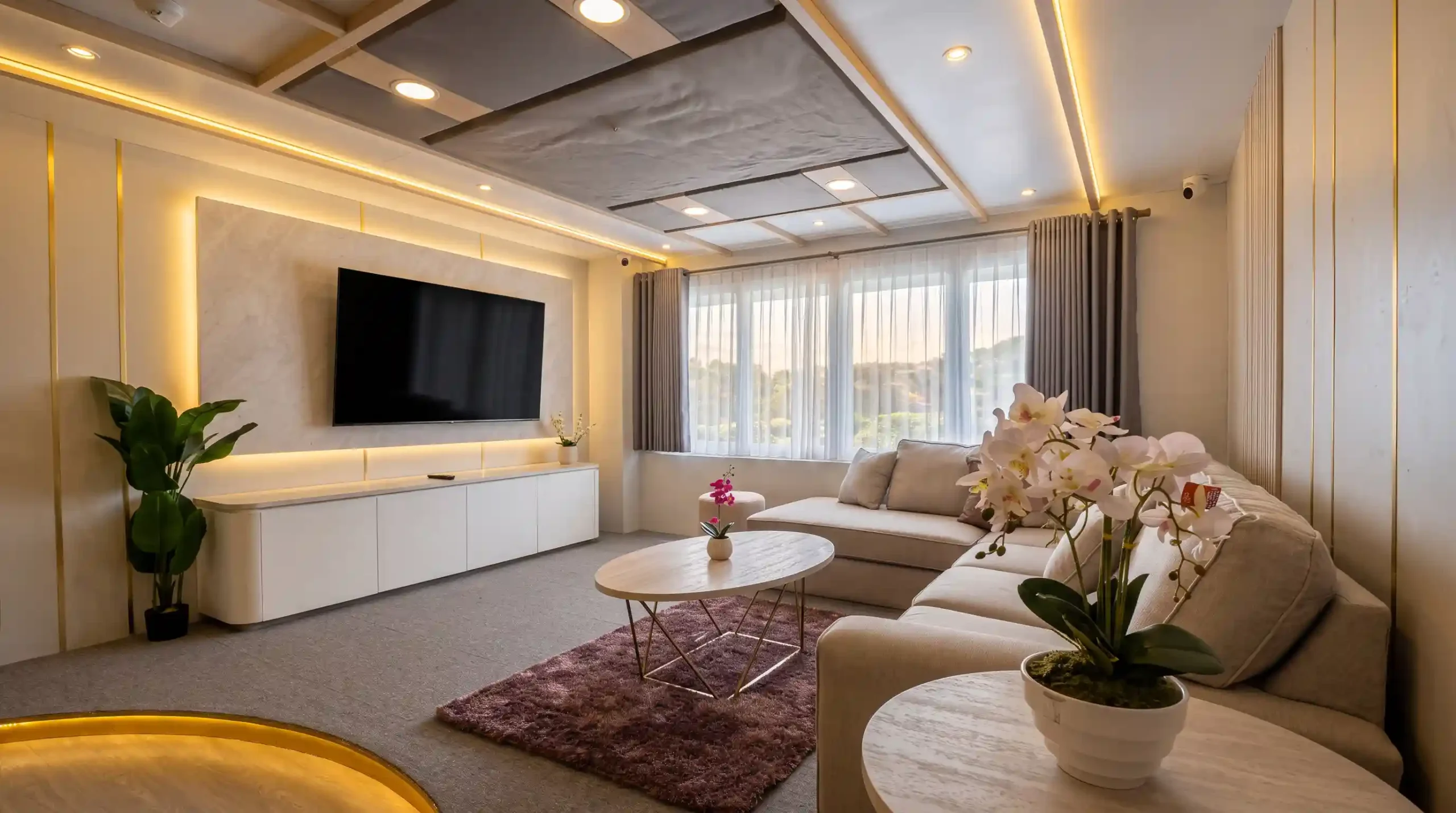
Step below and the craft becomes hospitality: 10 ensuite cabins in four tiers, from twin-bed Deluxe cabins on the Lower Deck to Master Suites with private balconies and in-suite jacuzzi bathtubs on the Main Deck, all finished in white and ivory with marble bathrooms and brass-gold detailing. The timber is the same Ulin and teak the Konjo tradition has always trusted — you simply meet it through a rain shower rather than a cargo hold. Cabin-by-cabin detail lives on the cabins page.
Plan your LASHA charter — sail a UNESCO-listed craft tradition through its maiden Komodo season.
A closing thought. Most vessels in this class describe themselves in adjectives; a phinisi can describe herself in provenance — named villages, named woods, a named UNESCO inscription, and a build year recent enough that the adze marks are barely weathered. From 17 August 2026, that provenance takes paying guests. One month to go.
⚓ This guide is part of the journal of LASHA Cruise — official site — the 52.5-metre luxury phinisi sailing Komodo National Park and Raja Ampat. Official booking only via lashacruise.com · WhatsApp +62 811-3823-875 (Komodo Luxury).