
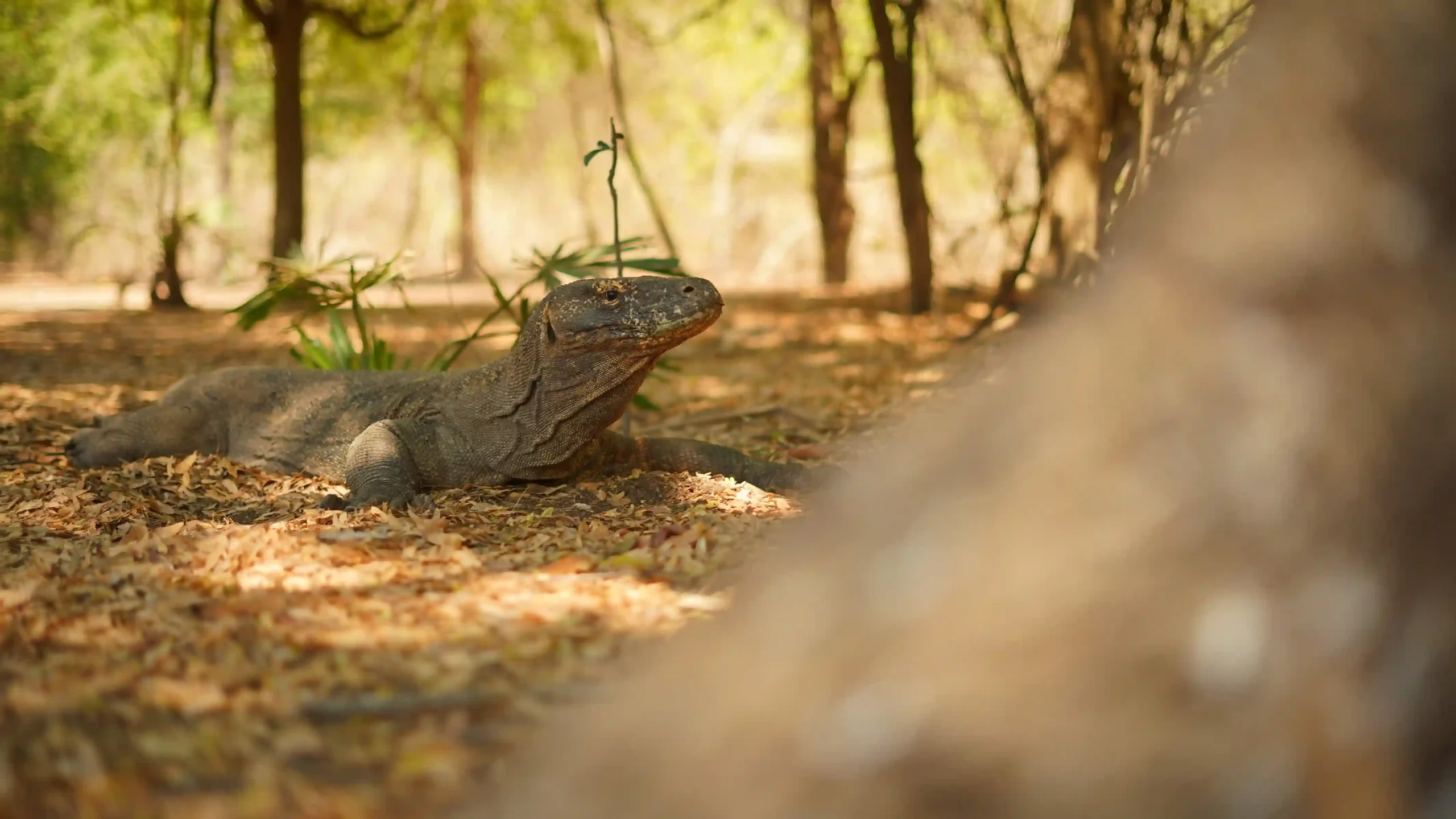
Komodo dragons are trekked only with a licensed park ranger, on marked trails on Komodo and Rinca islands. A 2023 demographic analysis estimated 2,448 ± 229 dragons inside the national park. Ranger fees run about IDR 80,000–150,000 per group, walks take one to two hours, and a private phinisi times the trek for the cool, quiet early morning.
THE OLDEST RESIDENTS RECEIVE VISITORS
Everything else in Komodo National Park is scenery; the dragon is the reason the park exists. It was established in 1980 specifically to protect the Komodo dragon, and inscribed as a UNESCO World Heritage Site in 1991. Walking among the world's largest lizards is straightforward, safe and tightly regulated — provided you follow rules that were written for good reasons. Here is the complete picture for 2026, from population counts to fees to etiquette.
How many Komodo dragons are left?
The honest answer is a range, and it is healthier than most visitors expect. A 2023 demographic analysis estimated 2,448 ± 229 dragons inside Komodo National Park, while Indonesia's environment ministry has cited roughly 3,200 ± 371 for the park; the 2023 census for the entire wild range — inside and outside the park — reported approximately 3,396 ± 359 animals. Within the park, wild dragons live on Komodo, Rinca, Gili Motang and Nusa Kode (Gili Dasami), with a separate population on Flores outside it. Padar's dragons are gone — the population there is recorded as extirpated, which is why the famous Padar viewpoint hike needs no ranger escort.
Komodo or Rinca — where should you trek?
Both islands offer ranger-guided walks from their stations, and a multi-day charter does not have to choose. Komodo Island carries the name and the longer trail options; Rinca is more compact, and many guides consider sightings there at least as reliable. Trail assignments depend on heat, season and recent dragon activity, so the working answer is the ranger's answer on the day. What matters more than the island is the hour: dragons are ectotherms, most active in the cooler parts of the morning, and the difference between an 07:00 walk and an 11:00 walk is the difference between watching behaviour and photographing shade.
What are the park rules for dragon trekking?
Three rules are non-negotiable. First, a licensed ranger or guide is mandatory for all treks on Komodo and Rinca — no independent walking, with ranger fees typically IDR 80,000–150,000 per group. Second, park entry is paid per person: the base tariff under Government Regulation No. 36/2024 is IDR 250,000 per person per day for foreign visitors (IDR 50,000 weekday / IDR 75,000 on weekends and holidays for Indonesian citizens), though several 2026 operators quote bundled tickets of IDR 650,000 covering Komodo and Padar with trekking, ranger and snorkelling permits, or IDR 900,000 for routes that include Rinca. Third, drones need an official permit — around IDR 2,000,000 per unit.
| 2026 fee item | Published figure |
|---|---|
| Base entry, foreign visitors (Gov. Reg. No. 36/2024) | IDR 250,000 / person / day |
| Base entry, Indonesian citizens | IDR 50,000 weekday · IDR 75,000 weekend/holiday |
| Bundled 2026 operator quotes | IDR 650,000 (Komodo + Padar incl. trekking, ranger, snorkelling permits) · IDR 900,000 incl. Rinca |
| Ranger / licensed guide | IDR 80,000–150,000 per group |
| Drone permit | ~IDR 2,000,000 per unit |
Fee structures conflict across 2026 sources and are reported to shift to a flat PNBP rate from 1 April 2026 — always confirm the latest tariff before travel. Our Komodo entrance fees 2026 explainer tracks the changes; on LASHA's standard multi-night Komodo charter, park entrance is billed at $25 per guest per night as shown on the rates page.
How do you stay safe around a Komodo dragon?
By treating the walk as the ranger's briefing describes it: a visit to a predator's territory, conducted at a respectful distance. Stay with your group and behind the ranger's forked staff; keep several metres from any dragon, and more from one that is feeding or guarding a nest. Move calmly — no running, no sudden gestures, no crouching close for the photograph your zoom lens can take from further back. Tell the ranger about any open wounds, and guests who are menstruating are asked to inform the ranger discreetly, as rangers position those walkers within the group as a precaution — dragons hunt substantially by scent. Children walk between adults, never at the edges. None of this is dramatic in practice; it is a quiet, well-marshalled hour among animals that have outlasted everything else on these islands.
How does a private charter change the trekking day?
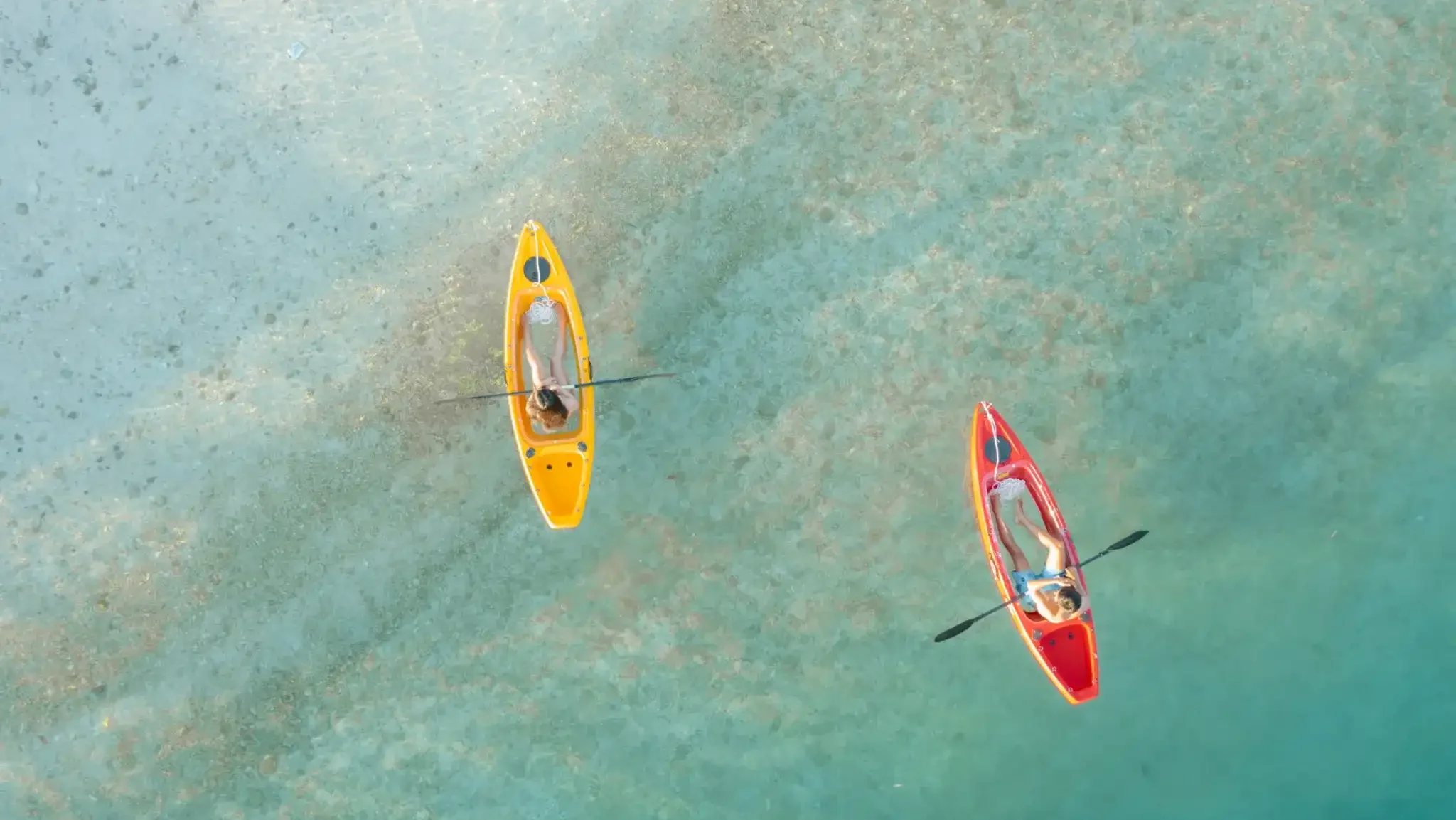
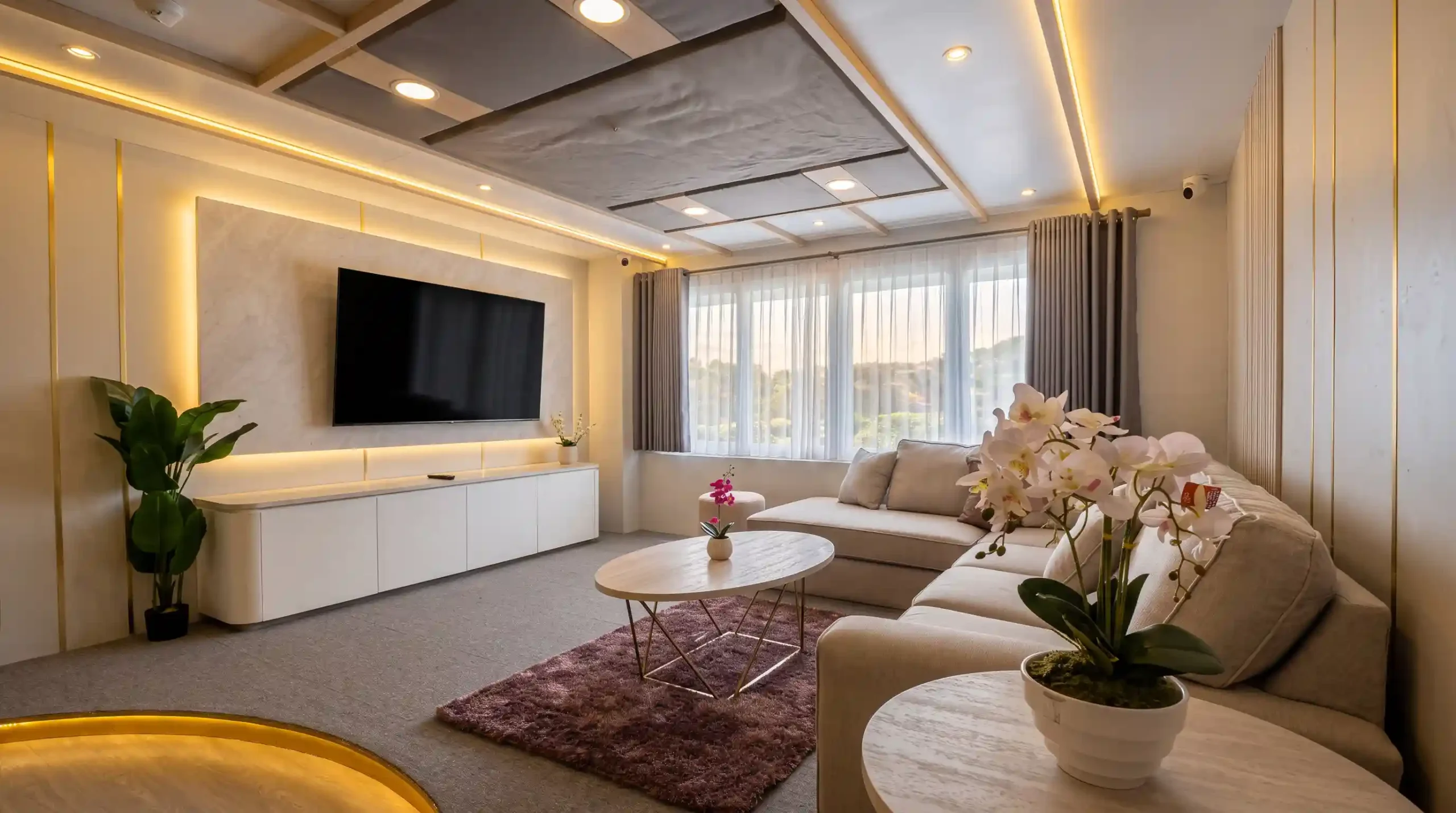
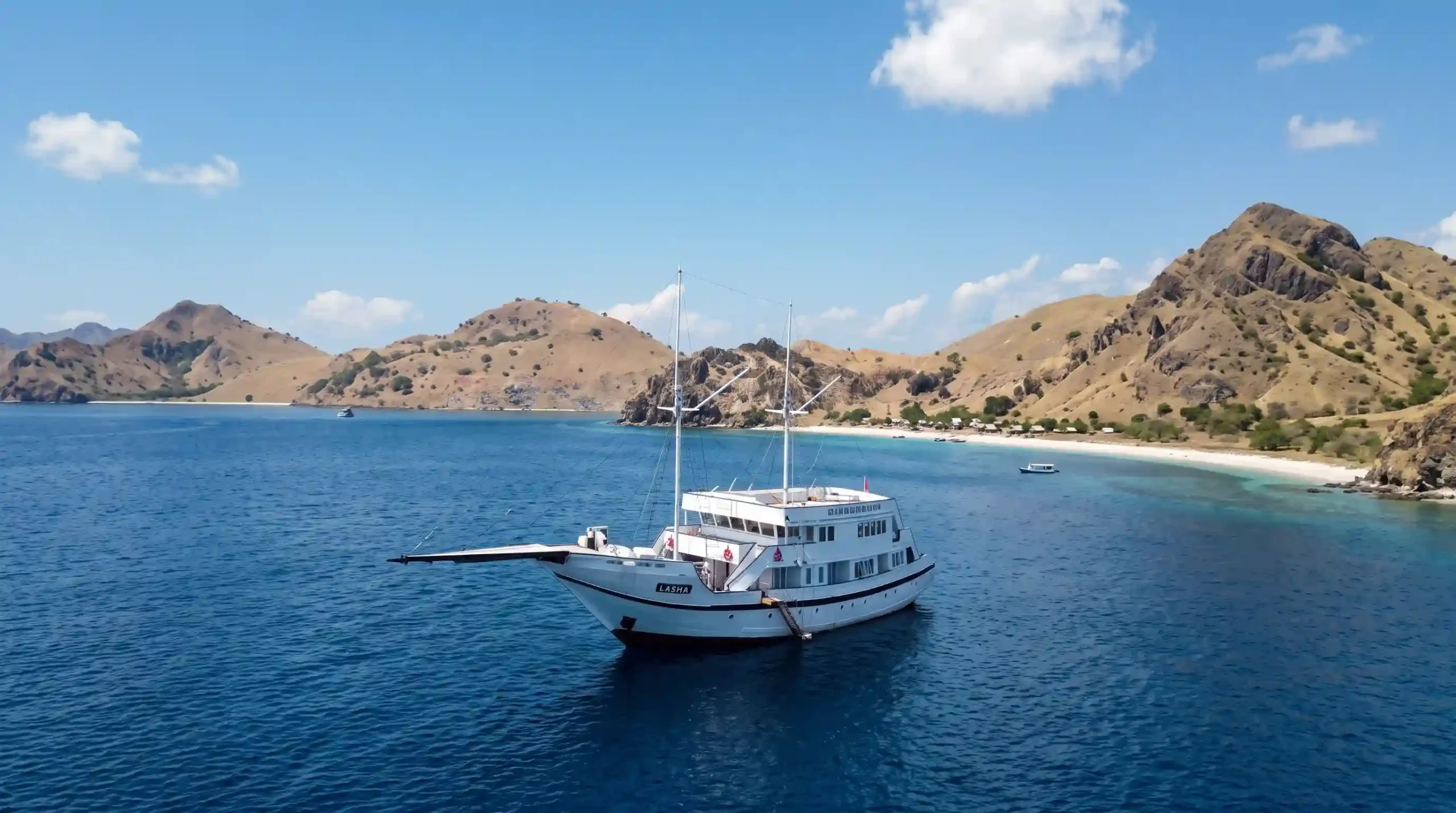
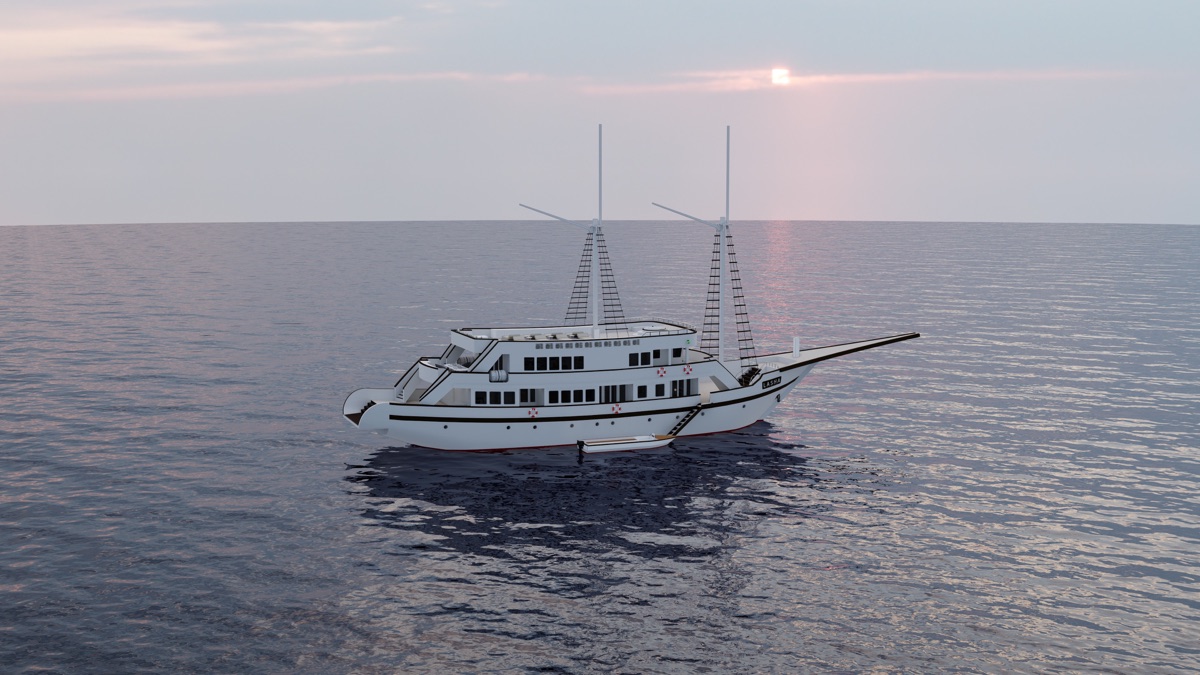
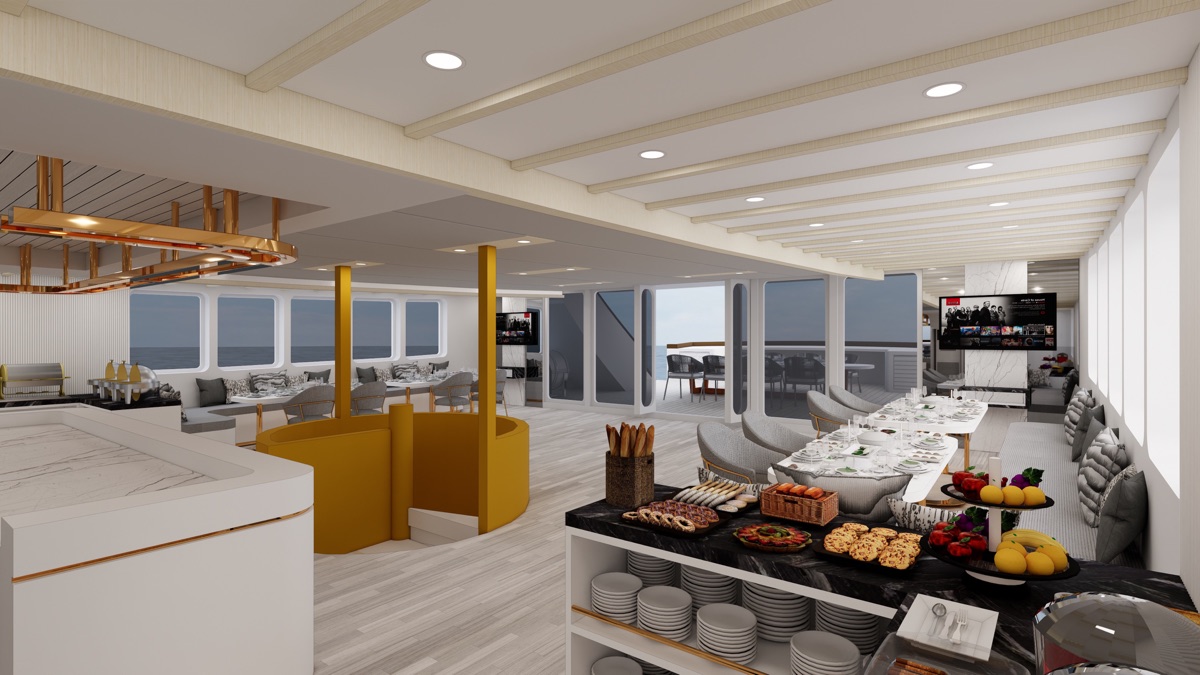
It removes the queue and the clock. Day-trip groups arrive together in the late morning, when the heat has already sent the dragons into the shade. LASHA — 52.5 metres, 466 GT, one of the largest luxury phinisi in the Komodo fleet — anchors off the ranger station the evening before, and her guests are at the trailhead when it opens, in the cool hour when the animals are moving. Up to 26 guests split cleanly into smaller ranger groups, walk without strangers, and are back aboard for a late breakfast before the first day boats land. The afternoon then belongs to the gentler park — Pink Beach, a snorkel, or nothing at all in the air-conditioned Living Room, where the smart TV and PlayStation 5 quietly resolve the question of what younger guests do at rest hour. The sample itineraries show where the trek sits in 2-night and 3-night routes, and the private Komodo charter page covers the whole-boat format, priced by trip length and group size on the rates page.
When should you book a dragon trek for 2026?
Early, if your dates are fixed. The dry season runs roughly April to October, May–August are the calmest and most-booked sailing months, and July–August departures on luxury phinisi routinely sell out 6–12 months ahead, according to operator booking data. LASHA's maiden Komodo season opens with her first public sailing on 17 August 2026 — one month from today — so the first dragon treks from her decks are already being scheduled now. Note, too, that 2026 sources report visitor-quota discussions for the park, one more reason to hold dates rather than wait.
Plan your LASHA charter — tell the charter desk your dates and group size, and they will schedule the ranger station for the first cool hour of the morning.
⚓ This guide is part of the journal of the LASHA yacht — the 52.5-metre luxury phinisi sailing Komodo National Park and Raja Ampat. Official booking only via lashacruise.com · WhatsApp +62 811-3823-875 (Komodo Luxury).